
What Animals Can You See in Nairobi National Park?
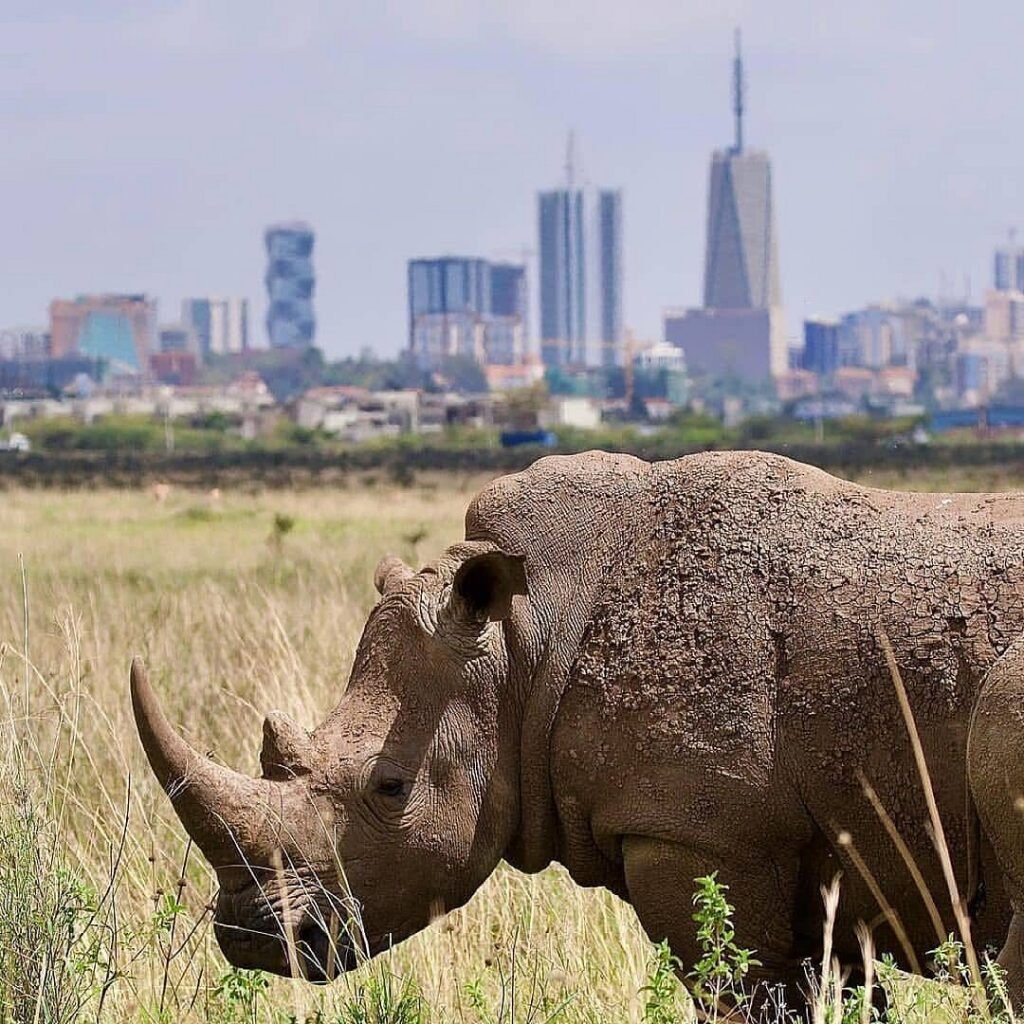
A few kilometres from Nairobi’s busy streets, the city gives way to open grassland, acacia woodland and riverine habitats. A giraffe may appear against the skyline. A rhino may emerge from the grass. Somewhere across the plains, a lion may be resting in the shade.
This is Nairobi National Park: a protected wildlife area where an African safari can begin remarkably close to a major city.
The park is home to more than 100 animal species and over 400 bird species, according to the Kenya Wildlife Service. It is also known for its rhino conservation work and its distinctive combination of wildlife and urban scenery.
But what animals can you realistically expect to see during a visit? Which species are easier to look for, and how much time should you allow?
This guide explores the wildlife of Nairobi National Park and explains how to make the most of a visit.
If you are ready to experience the park with a guide, explore Annest Kenya Safaris’ Nairobi National Park Half-Day Private Safari.
1. Lions: The park’s iconic predators
Lions are among the most sought-after animals on a Nairobi National Park safari. Seeing one resting in the grass or moving across the plains can be an unforgettable moment, especially with the city in the distance.
Lions are wild predators, however, and their movements are unpredictable. You may find them resting in shade, moving through the grassland or remaining out of sight during your game drive.
Your guide can help search suitable habitats and interpret animal behaviour, but no sighting can be guaranteed.
For travelers hoping to photograph wildlife, patience is important. Give your guide time to observe the surroundings, and avoid pressuring the vehicle to approach an animal too closely.
2. Black rhinos: A major conservation highlight
Nairobi National Park is especially important for rhino conservation. The park protects black rhinos and also supports populations of white rhinos.
Rhinos can sometimes be seen grazing in open areas or moving through suitable habitat. Their grey colouring and distinctive body shape make them fascinating animals to observe.
A rhino encounter is also an opportunity to understand the importance of protecting endangered wildlife. Poaching, habitat pressures and the need for long-term conservation efforts have made rhino protection a major priority across Africa.
When watching a rhino, remain inside the vehicle unless your guide and park authorities explicitly direct otherwise. Respecting distance gives the animal space to behave naturally.
3. Giraffes: Grace across the grasslands
Giraffes bring a different kind of drama to the Nairobi National Park landscape. Their height allows them to browse vegetation above many other herbivores, and their movements can be surprisingly quiet and graceful.
You may see giraffes feeding among acacia trees or walking across open ground. Their silhouettes also make compelling photographic subjects, particularly when the skyline or distant hills form the background.
Take time to watch how a giraffe feeds, walks and interacts with others rather than treating every encounter as a quick photograph.
4. Buffalo: Powerful members of the plains
African buffalo are another notable species in the park. They may be seen grazing in groups or resting in suitable areas.
Their size and social behaviour make them impressive to observe, but buffalo are powerful wild animals and should never be approached on foot or deliberately disturbed.
Your guide will decide how close the vehicle should remain, taking account of the animals’ behaviour and the terrain.
5. Zebras and antelopes: The movement of the savannah
Zebras are among the familiar sights of the park’s open grasslands. Their stripes make them easy to identify, and groups may be seen grazing or moving between feeding areas.
Several antelope species also inhabit Nairobi National Park. Depending on the location and conditions, you may encounter animals such as impalas, gazelles and hartebeest.
These herbivores are important to the wider ecosystem, providing food for predators and contributing to the natural balance of the park.
Watching a group graze, move or react to a distant sound can reveal much about the way wildlife shares the landscape.
6. Cheetahs, hyenas and other predators
Nairobi National Park supports other predators, including cheetahs and hyenas. These animals are exciting to look for, but sightings can be less predictable than encounters with more visible grazing species.
Cheetahs may use open areas where they can scan the landscape, while hyenas are adaptable animals with varied feeding behaviour.
If you see a predator, allow the guide to position the vehicle responsibly. Avoid shouting, crowding the animal or asking the driver to block its path.
The best wildlife encounters happen when visitors observe without interfering.
7. Hippos and crocodiles: Wildlife around water
Waterways and wetland habitats add another dimension to Nairobi National Park’s biodiversity.
Hippos spend much of their time in water, emerging to graze, while crocodiles may be found in suitable aquatic habitats. Their visibility depends on conditions and where your game drive travels.
If you visit an area with hippos or crocodiles, follow your guide’s instructions and remain within designated visitor areas. These animals can be dangerous despite appearing motionless.
8. Birds: More than 400 species to discover
Nairobi National Park is also an important destination for birdwatchers. The Kenya Wildlife Service reports more than 400 bird species associated with the park.
Birdlife varies across grassland, wetland, woodland and riverine habitats. Depending on the season and location, visitors may encounter ostriches, eagles, secretarybirds, vultures, herons and many other species.
You do not have to be an expert to appreciate the birds. Look for differences in size, colour, flight patterns and feeding behaviour. Binoculars can make it easier to observe birds without disturbing them.
If birdwatching is a priority, tell your safari operator in advance. A suitable itinerary and a little extra time at productive habitats can make the experience more rewarding.
9. Can you see the Big Five in Nairobi National Park?
Nairobi National Park is home to four of the traditional Big Five: lion, leopard, rhinoceros and African buffalo. Elephants are not part of the park’s resident wildlife population.
The Big Five originally referred to animals considered particularly difficult and dangerous to hunt on foot. Today, the term is widely used in safari tourism to describe these five iconic African mammals.
Although four of the five occur in Nairobi National Park, seeing all four during one visit is not guaranteed. Leopards, in particular, can be elusive.
If seeing elephants is essential to your safari, ask about a separate trip to a destination such as Amboseli National Park or Tsavo East. Your choice should depend on your available time and starting location.
10. When is the best time to see animals in Nairobi National Park?
Wildlife viewing is possible throughout the year, but the conditions vary with the weather and season.
During drier periods, vegetation may be less dense and some animals may be easier to spot in open areas. Rain can make parts of the landscape greener and support different birdlife, but it can also change road conditions and animal movements.
Time of day also matters. Early-morning game drives can provide cooler conditions and opportunities to observe animals as the day begins. Afternoon drives offer a different atmosphere and can be convenient for travelers with a later start.
Neither time guarantees better sightings on every day. Wildlife activity is affected by natural conditions, and your guide will adapt the route to what is happening in the park.
For a more detailed comparison, read Annest’s guide to morning versus afternoon Nairobi National Park tours.
11. How long do you need to see wildlife?
A half-day safari is a practical option for visitors who have limited time in Nairobi. It allows you to explore the park with a guide without dedicating an entire day to the outing.
A longer visit gives you additional time to explore different habitats, pause at wildlife sightings and focus on photography or birdwatching.
The best duration depends on your interests. If you want a general introduction to the park’s wildlife, a half-day may be sufficient. If you are particularly interested in elusive predators, bird identification or wildlife photography, additional time may be valuable.
Compare the options in Annest’s Nairobi National Park half-day versus full-day safari guide.
12. How to enjoy wildlife responsibly
A good safari is not measured only by the number of animals photographed. It is also about how visitors interact with the environment.
Follow your guide’s instructions and park regulations throughout the visit.
- Keep a respectful distance from wildlife.
- Never feed animals or try to attract them with food.
- Avoid shouting or making sudden movements near animals.
- Do not leave the vehicle unless permitted in a designated area.
- Take photographs without obstructing the animal’s movement.
- Respect other visitors and avoid crowding a sighting.
- Follow all park rules for waste disposal and conservation.
Wildlife is unpredictable, and the animals’ welfare must come before getting a photograph.
Plan a Nairobi National Park wildlife safari
From the possibility of seeing a rhino in its natural habitat to watching giraffes move across the grasslands, Nairobi National Park offers a distinctive introduction to Kenya’s wildlife.
The park’s proximity to the capital makes it a convenient choice for travelers staying in Nairobi, business visitors and people with limited time. Yet it remains a wild environment: sightings depend on animal movements, weather and the route taken.
Annest Kenya Safaris can help you plan a guided visit around your schedule and interests.
Explore our Nairobi National Park Half-Day Private Safari for tour details, or browse our Nairobi excursions and day tours if you would like to combine wildlife with other experiences.
Start planning your Nairobi safari today.
Call or WhatsApp: +254 112 458 884
Email: booking@annestkenyasafaris.com
Website: annestkenyasafaris.com
Frequently asked questions about Nairobi National Park animals
What animals are found in Nairobi National Park?
The park supports more than 100 animal species, including lions, rhinos, giraffes, buffalo, zebras, antelopes and other wildlife. The park is also known for its rich birdlife.
Are there elephants in Nairobi National Park?
Nairobi National Park does not have a resident wild elephant population. Travelers hoping to see elephants should consider other destinations, including Amboseli National Park or Tsavo East.
Can you see lions in Nairobi National Park?
Lions live in the park and may be encountered during a game drive. Their location and visibility change naturally, so sightings cannot be guaranteed.
Is Nairobi National Park good for birdwatching?
Yes. The Kenya Wildlife Service reports more than 400 bird species. Different habitats support a variety of birds, making the park an option for casual birdwatchers and more experienced enthusiasts.
How long should I spend on a Nairobi National Park safari?
A half-day safari offers a useful introduction for visitors with limited time. A longer visit allows additional opportunities to explore habitats and observe wildlife, depending on your interests.
What is the best time of day to see animals?
Morning and afternoon game drives can both provide wildlife-viewing opportunities. Conditions change daily, so no time guarantees a particular sighting.
How do I book a Nairobi National Park safari?
Contact Annest Kenya Safaris with your preferred date, number of travelers and desired tour duration. Review the confirmed itinerary, price and inclusions before booking.