
Complete Kenya Safari Guide for American Travelers (2026-2027 Edition)
By Annest Kenya Safaris
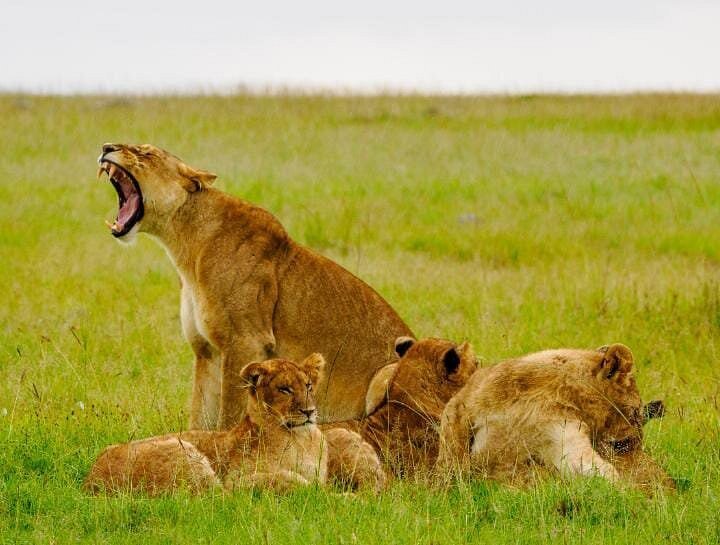
If you’re an American traveler dreaming of a true African safari experience, there’s no better place to begin than Kenya. Picture this: wide-open savannahs, elephants walking calmly across the plains, lions resting in the shade, and sunsets so beautiful they feel unreal. Kenya delivers all of that — and it’s surprisingly easy and safe for visitors from the United States.
This guide breaks down everything Americans need to plan the perfect Kenya safari in 2025-2026: where to go, how much it costs, when to visit, safety tips, visas, flights, packing, and how to book a safari with confidence.
We use clear explanations, USD pricing, and U.S.-traveler insights gathered from years of helping Americans plan life-changing safari holidays.
Let’s begin your Kenya safari journey.
Why Kenya Is Perfect for American Travelers
Many Americans choose Kenya as their first African safari destination — and for good reason:
1. Wildlife Density is Unmatched
Kenya offers some of the highest concentrations of lions, elephants, giraffes, zebras, and cheetahs anywhere in Africa. You see more in fewer days.
2. Easy English Communication
English is an official language in Kenya, making travel smooth and stress-free for visitors from the United States.
3. Home of the World-Famous Masai Mara
The Masai Mara is consistently ranked among the best safari destinations on Earth, especially during the Great Migration (July–October).
4. Flight Routes From Major U.S. Cities
American travelers can fly to Kenya via New York, Atlanta, Washington D.C., Chicago, or Los Angeles with only one stop.
5. Options for Every Budget
Whether you want affordable safari lodges or luxurious tented camps, Kenya works for all travel styles.
6. Safe and Very Tourist-Friendly
Most safari destinations are secure, well-organized, and focused on guest experience.
Where to Go: Best Safari Parks in Kenya for Americans
Below are the top safari parks that U.S. travelers love most. Each park offers a unique wildlife experience.
1. Masai Mara National Reserve — Best for First-Time Visitors
If you visit only one park in Kenya, make it the Masai Mara. The Mara is famous for:
- Big cats (lions, leopards, cheetahs)
- Huge elephant and buffalo herds
- The iconic Great Migration (July–October)
- Endless golden savannahs
Americans love the Mara for its high wildlife visibility — you rarely drive for long without seeing something amazing.
2.Amboseli National Park — Best for Elephant Lovers
Amboseli is known for:
- Big herds of elephants
- Picture-perfect views of Mount Kilimanjaro
- Short distance from Nairobi (4 hours)
It’s the best place in Africa to photograph elephants up close.
3. Lake Nakuru National Park — Best for Rhinos & Birdlife
Highlights include:
- Both black and white rhinos
- Flamingos and birdlife
- Easy inclusion in multi-park itineraries
Samburu National Reserve — Best for Unique Wildlife
Samburu is beautiful, warm, and home to species found nowhere else in Kenya:
- Reticulated giraffes
- Grevy’s zebras
- Oryx
- Somali ostrich
- Gerenuk
American guests love Samburu because it feels wilder and more off-the-beaten-path.
Best Time to Visit Kenya (2025 Guide for Americans)
January–February (Excellent Weather)
Clear skies, great wildlife viewing, perfect for photography.
March–May (Long Rains: Low Season)
Fewer tourists, lower prices — but expect some rain.
June (Shoulder Season)
Ideal before peak season begins.
July–October (Peak Season & Great Migration)
The most spectacular wildlife event on Earth:
over 1.5 million wildebeest and zebras crossing the Mara.
If you’re coming from the U.S., this is the #1 recommended time.
November–December (Short Rains: Still Good)
Beautiful landscapes, mild rainfall, good rates.
How Much Does a Kenya Safari Cost for Americans? (USD Breakdown)
Budget Safari (Shared lodges & group vehicles)
$190–$280 per person per day
Mid-Range Safari (Private 4×4 Jeep + good lodges)
$280–$480 per person per day
Most American travelers choose this option.
Luxury Safari (Top lodges + flights)
$600–$1,200+ per person per day
What affects safari cost:
- Number of days
- Type of accommodations
- Whether you choose a private or group tour
- Flights within Kenya
- Season (migration months are higher)
If you want a transparent quote in USD, Annest Kenya Safaris can prepare one based on your travel dates.
How Many Days Should Americans Spend in Kenya?
A good safari length for American travelers is:
7–10 days
This allows time for:
- Nairobi (1 night)
- Masai Mara (3–4 nights)
- Amboseli or Samburu (2–3 nights)
If you want a slower pace or a beach extension, consider 12–14 days.
Is Kenya Safe for American Tourists? (Honest Answer)
Yes — Kenya’s safari destinations are safe, well-regulated, and extremely tourism-friendly.
Safe travel zones include:
- Nairobi (tourist areas)
- Masai Mara
- Amboseli
- Samburu
- Lake Nakuru
- Tsavo
- Kenya coast (Diani, Watamu, Mombasa)
Tips for Americans:
- Use a licensed safari operator
- Avoid walking alone at night in cities
- Don’t carry large amounts of cash
- Leave expensive jewelry at home
- Use hotel safes for passports
With a reputable tour company, your safety is well managed.
Visa, Vaccines & Entry Requirements for U.S. Travelers
Visa:
Americans must apply for a Kenya eVisa online.
Process: 10–15 minutes, approval in 24–72 hours.
Vaccines:
Recommended (not mandatory):
- Yellow fever
- Typhoid
- Hepatitis A
- Routine vaccinations
- Malaria tablets (for safari areas)
Passport Requirements:
- Valid for 6 months after arrival
- At least 2 blank pages
Flights From USA to Kenya
Non-stop flight:
- New York (JFK) → Nairobi (NBO) via Kenya Airways
One-stop routes (most common):
- Atlanta → Nairobi via Amsterdam
- Los Angeles → Nairobi via Doha
- Chicago → Nairobi via London
- Washington DC → Nairobi via Dubai
Typical prices:
$850–$1,600 round trip depending on season.
Safari Types American Travelers Prefer
1. Private 4×4 Jeep Safaris (Most Popular)
Flexibility, comfort, privacy — ideal for couples, families, and photographers.
2. Fly-In Luxury Safaris
Best for travelers wanting more comfort and less driving.
3. Family Safaris
Child-friendly lodges, relaxed schedules.
What to Pack: Safari Packing Checklist for Americans
Essentials:
- Lightweight khaki clothing
- A warm fleece for mornings
- Sunhat & sunglasses
- Comfortable walking shoes
- Camera with zoom lens
- Travel adapter (Type G)
- Refillable water bottle
Entry essentials:
- Passport
- Printed eVisa approval
- Travel insurance
How to Book a Kenya Safari (Especially if You’re Coming From the U.S.)
- Choose your travel dates
- Select your preferred parks
- Decide your safari style (budget, mid-range, luxury)
- Get a personalized itinerary
- Book flights after receiving your safari confirmation
Booking 6–12 months in advance is recommended for Americans traveling during July–October.
Ready to Plan Your Kenya Safari?
If you’re an American traveler looking for a memorable, safe, and well-organized trip to Kenya, Annest Kenya Safaris is here to help.
We specialize in creating custom itineraries for visitors from the U.S., with clear USD pricing, hand-picked lodges, and private 4×4 safari vehicles.
Tell us your travel dates, budget, and group size — and we’ll create a personalized Kenya safari plan for you.
FAQs for U.S. Travelers Planning a Kenya Safari
Most U.S. travelers spend $2,500–$6,500 per person for a 7–10 day Kenya safari, depending on the level of accommodation and season. Mid-range private safaris — the most popular option for Americans — average $280–$480 per day, while luxury safaris can go above $600 per day.
Yes. Kenya’s main safari destinations — including the Masai Mara, Amboseli, Samburu, Lake Nakuru, and Diani Beach — are secure and well-managed. American visitors should follow normal travel precautions, such as avoiding isolated areas at night in big cities and using licensed tour operators for transportation.
Yes. U.S. citizens must apply for a Kenya eVisa online before travel. The application takes about 10–15 minutes, costs approximately $50, and approval typically arrives within 24–72 hours. Your passport must be valid for at least 6 months after entry.
The best months for U.S. travelers are July–October, during the Great Migration in the Masai Mara. January–February is also excellent for wildlife visibility. The March–May rainy season offers cheaper prices, while November–December provides lush landscapes and good value.
Bring lightweight neutral clothing, a warm layer for early mornings, comfortable walking shoes, sun protection, a refillable water bottle, and your camera gear. U.S. travelers should also pack:
Type G travel adapter
A copy of your eVisa
Malaria medication (ask your doctor)
Travel insurance documents
Travel light — most safari flights in Kenya have strict luggage limits.