
Morning vs Afternoon Nairobi National Park Safari: Which Is Better?
Morning or afternoon: when should you visit Nairobi National Park?
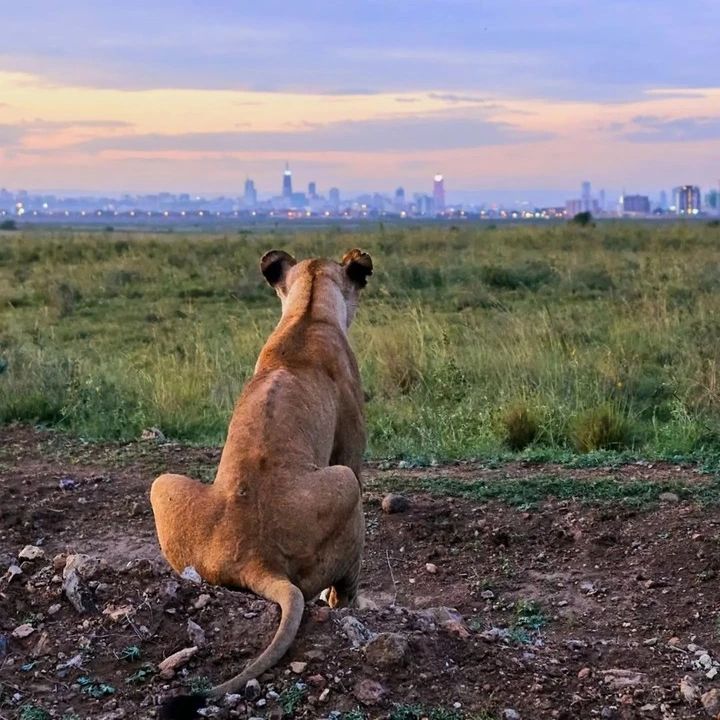
A lion resting in the early morning light. Giraffes moving across the plains. A rhino appearing beside the track while Nairobi’s skyline rises in the distance.
These are the moments that make a Nairobi National Park safari special. But should you set your alarm before sunrise or explore the park later in the day?
The answer depends on your schedule, photography interests, travel companions and the kind of experience you want.
A morning Nairobi National Park safari offers cooler temperatures and beautiful early light. An afternoon safari gives you a later start and the opportunity to enjoy the changing colours of the landscape as the day progresses.
Neither option guarantees particular animal sightings. Wildlife moves freely, and every game drive is different.
With Annest Kenya Safaris, you can choose a private Nairobi National Park half-day safari and plan your experience around your travel schedule.
1. Morning Nairobi National Park safari
Best for: Early risers, wildlife photographers, visitors with afternoon plans and travellers who enjoy cooler conditions.
An early start lets you experience Nairobi National Park as the day begins. The light is often soft, temperatures are generally cooler, and animals may be active before the heat of the day increases.
Your game drive can take you across open grasslands, through woodland and towards suitable wildlife-viewing areas, depending on road conditions and the guide’s judgement.
What makes a morning safari appealing?
Cooler temperatures
The early hours are usually more comfortable for spending time in the safari vehicle, particularly during warmer months.
Beautiful photography light
The low-angle morning sun can create natural contrast and warm colours. It is especially useful for photographing animals against the grasslands or capturing the city skyline beyond the park.
Opportunities to observe active wildlife
Some animals, including predators, may be moving or hunting during the cooler hours. However, sightings depend on animal behaviour, weather and chance.
More time for the rest of your day
A morning game drive can leave the afternoon available for meetings, other Nairobi attractions or onward travel, provided you allow enough time for transfers.
What time does a morning safari start?
A typical private tour may involve pickup at approximately 6:00–6:30 AM, depending on your location, the agreed itinerary and current park-entry arrangements.
Confirm your pickup time with your operator before travelling.
Who should choose the morning option?
Consider a morning safari if you:
- Prefer cooler conditions and an early start.
- Enjoy wildlife photography in soft natural light.
- Want to explore the park before the day gets hotter.
- Have afternoon activities planned in Nairobi.
2. Afternoon Nairobi National Park safari
Best for: Travellers who prefer a later start, visitors arriving in Nairobi in the morning and people with a flexible afternoon schedule.
An afternoon safari reveals a different side of the park. The light changes across the plains, the skyline becomes more dramatic in photographs, and the landscape can look very different from the same locations in the morning.
As temperatures begin to ease later in the day, some animals may become more active. Others may remain resting or move into areas where they are harder to see.
The experience is less about a guaranteed list of sightings and more about exploring the park at a time that suits you.
What makes an afternoon safari appealing?
A more relaxed start
You do not need to wake up before dawn. This can be useful for families, business travellers and visitors who have spent the previous night travelling.
Changing afternoon light
Late-afternoon conditions can create attractive wildlife portraits and landscape photographs, particularly when the sky is clear.
A convenient option for some itineraries
An afternoon game drive may suit travellers who have morning commitments or arrive in Nairobi earlier in the day. Allow sufficient time for immigration, baggage collection, transfers and unexpected delays if arriving by air.
A different wildlife-viewing experience
Wildlife behaviour changes throughout the day. An afternoon drive gives you another opportunity to observe animals in their natural environment, but it does not guarantee that particular species will be easier to find.
What time does an afternoon safari start?
A typical afternoon departure may be around 2:00 PM, with the exact schedule depending on your pickup point and itinerary.
Nairobi National Park’s published visitor guidance lists gate hours of 6:00 AM to 6:00 PM. Your operator should plan the game drive around official entry and exit requirements.
Who should choose the afternoon option?
An afternoon safari may suit you if you:
- Prefer not to wake up very early.
- Have morning meetings or other activities.
- Are planning a short visit to Nairobi.
- Want to photograph the changing afternoon light.
- Are travelling with people who prefer a later start.
3. Morning vs afternoon safari: quick comparison
| Feature | Morning safari | Afternoon safari |
|---|---|---|
| Typical start | Around 6:00–6:30 AM | Around 2:00 PM |
| Temperature | Usually cooler early on | Often warmer at first |
| Photography | Soft early light | Changing afternoon and late-day light |
| Wildlife activity | Some species may be active early | Activity varies as the day cools |
| Best for | Early risers and morning photographers | Later starts and flexible schedules |
| After the safari | Afternoon may remain free | Evening plans may need to be flexible |
| Wildlife sightings | Never guaranteed | Never guaranteed |
The practical difference: Choose the time that works best for your schedule and photography preferences. Neither morning nor afternoon is universally best for every species or every day.
4. Which safari time is better for seeing lions and rhinos?
Nairobi National Park is home to lions and endangered black rhinos, along with giraffes, buffaloes, zebras, antelopes and many bird species.
Early morning can provide favourable conditions for observing animals that are active during cooler hours. Later in the day can also produce rewarding sightings as conditions change.
However, there is no reliable universal rule that lions are always easier to see in the morning or rhinos are always easier to see in the afternoon. Animal movements depend on many factors, and sightings cannot be guaranteed.
For a closer look at the species that live in the park, read our guide to animals of Nairobi National Park.
For official information about the park and its wildlife, consult the Kenya Wildlife Service Nairobi National Park guide.
5. Which option is better for wildlife photography?
Both times can be rewarding, but the light is different.
Choose morning for:
- Soft light soon after sunrise.
- Cooler conditions for longer game drives.
- Atmospheric landscapes when conditions are clear.
- Wildlife portraits with warm, low-angle sunlight.
Choose afternoon for:
- Changing light across the savannah.
- Landscapes featuring the Nairobi skyline.
- Late-day photography when conditions allow.
- A later start if you are travelling on a tight schedule.
Photography results depend on cloud cover, visibility, the direction of the light and where wildlife appears. A good guide can help position the vehicle appropriately while respecting park rules and animal welfare.
6. Is a private Nairobi National Park safari worth it?
A private safari gives your group its own vehicle and guide rather than sharing the game drive with unrelated travellers.
Depending on your operator’s arrangements, this can make it easier to coordinate pickup, discuss your interests and plan the outing around your available time.
It does not guarantee more wildlife sightings. The advantage is the flexibility and personal attention that can make a short safari easier to plan.
Explore our Nairobi National Park half-day private safari for tour details, pickup arrangements and available options.
If you need to understand where the tour can start and finish, see our guide to Nairobi National Park tour pickup and drop-off.
7. Can you visit Nairobi National Park during a layover?
Yes, a safari may be possible during a Nairobi layover, but the available time matters more than simply choosing morning or afternoon.
You need to account for immigration, baggage, airport pickup, road traffic, park entry, the game drive and the time required to return for your next flight. A short connection may not leave enough time for a comfortable visit.
Before booking, share your flight arrival and departure times with your safari operator and ask for a realistic schedule. Do not assume that a safari is suitable just because the park is relatively close to the airport.
Read our guide: Can You Go on a Safari During a Nairobi Layover?.
8. What should you bring?
For either morning or afternoon, consider packing:
- A camera or smartphone.
- Binoculars, if available.
- A hat and sunscreen.
- Drinking water.
- Comfortable clothing suited to changing temperatures.
- A light jacket for a cool morning.
- Any personal medication you may need.
Follow your guide’s instructions, remain in the vehicle except at designated places, and respect wildlife viewing distances.
9. How much does a half-day Nairobi National Park safari cost?
The total cost depends on the vehicle, number of travellers, park entry fees, pickup arrangements and what the package includes.
Before booking, confirm whether the quoted price covers park entry, transport, the driver-guide and any additional services. Ask for a clear breakdown if anything is uncertain.
For a detailed explanation, visit our Nairobi National Park tour price guide.
10. So, should you choose morning or afternoon?
Choose a morning safari if you enjoy early starts, cooler conditions and soft morning light.
Choose an afternoon safari if a later departure fits your schedule or you want to experience the park in changing afternoon light.
If you are still unsure, tell Annest Kenya Safaris where you will be staying, how much time you have and whether photography, family comfort or fitting the safari around a flight is your main priority.
Plan your Nairobi National Park safari
Experience Kenya’s wildlife just beyond the city, with a private safari planned around your schedule.
Explore our Nairobi National Park half-day private safari
You can also browse our Nairobi excursions and day tours to combine a wildlife experience with other Nairobi attractions.
Frequently asked questions
Is morning or afternoon better for a Nairobi National Park safari?
Both can be rewarding. Morning offers cooler conditions and early light, while afternoon suits travellers who prefer a later start. Wildlife sightings vary, so neither time guarantees specific animals.
What time does a morning Nairobi National Park safari start?
A typical private tour may start with pickup around 6:00–6:30 AM. Confirm the exact time with your operator.
What time does an afternoon Nairobi National Park safari start?
A typical afternoon tour may start around 2:00 PM. The final schedule depends on pickup location and park-entry requirements.
Can I see lions during an afternoon safari?
Yes, lions may be seen during an afternoon game drive, but their location and activity vary. No operator can guarantee a sighting.
Are rhinos easier to see in the morning or afternoon?
There is no universal answer. Sightings depend on the animals’ movements, conditions and the areas accessible during your drive.
Is a half-day safari enough for Nairobi National Park?
A half-day game drive can provide a meaningful introduction to the park’s wildlife and landscapes. A longer visit gives you more time to explore, but wildlife sightings remain unpredictable.
Can I go on a Nairobi National Park safari during a layover?
Potentially, provided your layover is long enough for airport formalities, transfers, the game drive and return to the airport. Share your flight details with your operator before booking.
Does a private safari guarantee better wildlife sightings?
No. A private tour offers your own vehicle and greater flexibility, but wildlife is free-roaming and sightings cannot be guaranteed.