
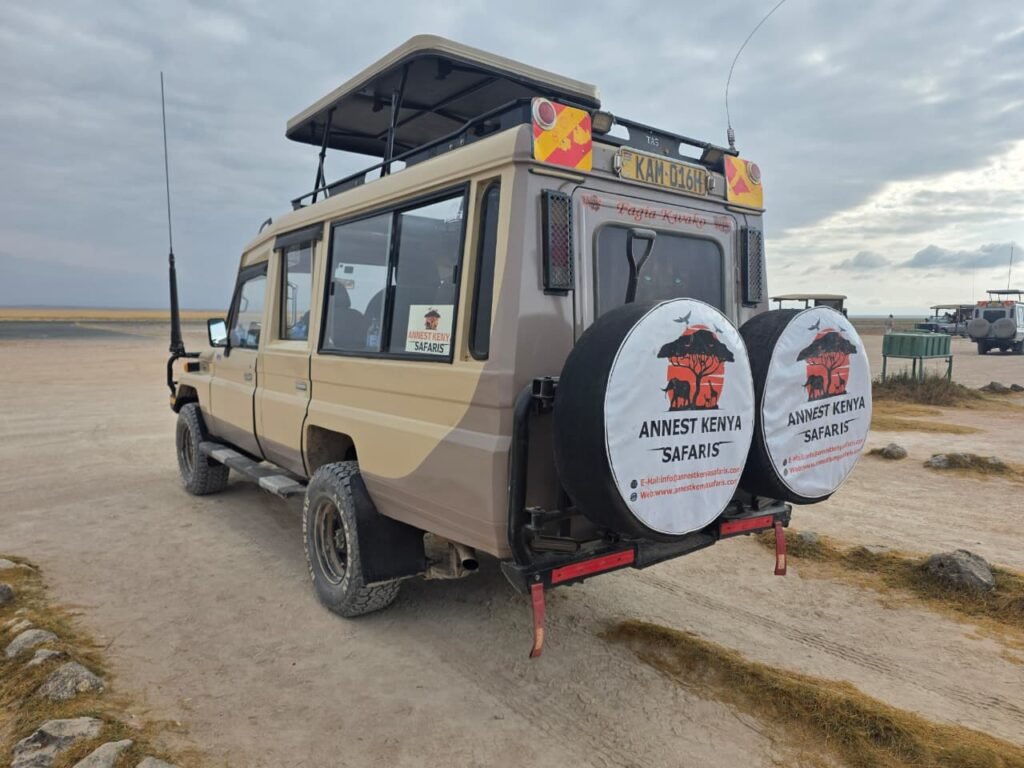
What to Expect on an Amboseli Day Trip from Nairobi
The alarm rings before sunrise. Nairobi is still waking up when you begin the journey south, leaving the city behind for open countryside and the promise of a day among Kenya’s wildlife.
An Amboseli day trip is a long outing, but it offers a chance to experience one of the country’s most recognizable safari landscapes without committing to an overnight stay.
Amboseli National Park is famous for its elephant herds, varied habitats and views of Mount Kilimanjaro when the skies are clear. The park’s wetlands, open grasslands and woodland areas support a wide range of wildlife and birdlife. Kenya Wildlife Service’s Amboseli overview provides more information about the park.
If you are considering a one-day safari from Nairobi, here is what to understand before you set off.
1. An early departure from Nairobi
The day usually begins early, often around 4:00 AM for the road itinerary offered by Annest Kenya Safaris. Your confirmed pickup time will depend on your accommodation, the route and the final arrangements.
The road journey generally takes around four to five hours each way, although traffic and road conditions can affect the timing.
Bring anything you need for a comfortable journey, and have your camera ready for the changing landscapes as you leave the city and travel towards Amboseli.
The early start is important. It helps make the most of the limited time available for game viewing before the return journey.
2. Arriving in Amboseli National Park
As you approach the park, the landscape begins to change. Open plains, acacia woodland and wetland areas create different habitats for wildlife.
Your guide will explain the day’s plan and help you understand the park’s environment. Depending on conditions and the route taken, you may begin looking for wildlife soon after entering.
The key is to remain observant. Wildlife can be visible beside the road or farther across the plains, and sightings can change quickly.
3. What wildlife might you see?
Amboseli is particularly famous for elephants. You may see family groups moving across the landscape, feeding near wetland areas or interacting with one another.
Other wildlife that may be encountered includes:
- Zebras and wildebeest.
- Giraffes and buffalo.
- Antelope species.
- Lions and hyenas.
- A variety of resident and migratory birds.
No two game drives are exactly alike. Animals move freely, and their locations depend on weather, water, food and other natural factors.
Your guide’s knowledge can help you interpret what you see, identify different species and observe animal behaviour without disturbing the wildlife.
4. The landscape and Mount Kilimanjaro views
Amboseli’s landscape is a major part of its appeal. The wide plains create open views, while wetlands provide important habitat for wildlife and birds.
On a clear day, Mount Kilimanjaro can rise dramatically beyond the landscape. The mountain is in neighbouring Tanzania, and the view from Amboseli is one of the area’s best-known visual features.
However, cloud cover can obscure the mountain. If photography is important to you, allow time to enjoy the landscape itself rather than treating a clear Kilimanjaro view as a guaranteed outcome.
Bring a camera, but remember to put it down occasionally and experience the moment.
5. Lunch and a break during the day
A full-day safari needs time for food and rest. Depending on your confirmed package, lunch may be arranged at a lodge or another designated location.
Use the break to rest, review your photographs and prepare for the next game drive.
6. The afternoon game drive
If the itinerary and park schedule allow, an afternoon game drive provides another opportunity to explore.
Your guide may visit different areas or follow reports of wildlife activity where permitted. You could encounter animals you did not see earlier, or observe familiar species behaving differently as the day progresses.
Wildlife sightings are never guaranteed, which is part of the nature of a safari. The experience is about observing the landscape and its animals as they are, rather than following a fixed checklist.
7. Returning to Nairobi
The return journey usually begins in the afternoon. Expect to arrive back in Nairobi in the evening, with the exact time depending on the departure from the park, traffic and road conditions.
This is why a one-day Amboseli safari should be approached as a full-day commitment. It may not be the right choice if you need to attend an evening event or catch a flight shortly after the planned return.
If your schedule is flexible, an overnight safari allows more time in the park and avoids completing the entire road journey on the same day.
What should you pack for an Amboseli day safari?
Keep your day bag practical. Useful items include:
- Comfortable, breathable clothing.
- A light jacket for the early start.
- A hat, sunscreen and sunglasses.
- A camera and spare battery.
- Personal medication and any essentials you need.
- A small amount of cash for personal expenses and tips, if appropriate.
Choose clothing that allows you to sit comfortably in the vehicle for extended periods. Follow your guide’s advice about footwear and any items required for the day’s conditions.
Is an Amboseli day trip suitable for you?
A one-day safari works well if you have one free day in Nairobi and want a concentrated wildlife experience. It can also suit visitors who prefer not to add an overnight stay.
It is less suitable for travelers who want several game drives, long photography sessions or a slower pace. The drive takes up a significant part of the day.
If you have more time, compare the day trip with a two-day Amboseli safari from Nairobi. If one day is all you have, review the Amboseli day trip itinerary and confirm that the schedule suits you.
Planning your Amboseli day trip
Before booking, ask Annest Kenya Safaris to confirm:
- Your pickup time and location.
- The expected return time.
- The type of safari vehicle and whether the trip is private
- Park entry fees and other inclusions.
- Meal and drinking-water arrangements.
- The cancellation and payment terms.
These details help you understand exactly what you are booking and prepare for the journey.
Frequently asked questions
How long is the drive from Nairobi to Amboseli?
The road journey generally takes around four to five hours each way, depending on the route, traffic and road conditions.
What is the best time to see Mount Kilimanjaro?
The mountain is visible when weather and cloud conditions allow. Early mornings can offer good opportunities, but visibility is never guaranteed.
Will I definitely see elephants?
Amboseli is renowned for elephants, and they are among the wildlife you may encounter. However, sightings cannot be guaranteed because animals move freely through their habitat.
Is lunch included in an Amboseli day trip?
Lunch arrangements depend on the package. Check your quotation to confirm whether lunch, drinks and other meals are included.
What time will I return to Nairobi?
Expect an evening return on a typical road day trip. The exact time depends on the itinerary, road conditions and traffic.
How can I book?
Contact Annest Kenya Safaris with your preferred date, pickup location and group size. Ask for the current itinerary, price and inclusions before confirming.
Make your day in Amboseli count.
Explore the Amboseli day trip from Nairobi and contact Annest Kenya Safaris to plan your visit.