
Why Guests Choose Annest Kenya Safaris — And Come Back Again
five-star reviews. Named expert guides. A photographer add-on no one else offers. Here is exactly what makes us different — in our guests’ own words.
1.5M
Wildebeest in the Migration
50+
National parks & reserves
1,000+
Bird species recorded
Big 5
All found in Kenya
Culture and people
50+Cultures and communities
Scenic Landscapes
Jaw dropping Scenic Landscapes
Every year, millions of travellers from over 100 countries choose Kenya as their safari destination. They come for the lions, the elephants, the endless golden plains — and they leave changed. They leave with photographs they never imagined they would take, with memories that do not fade, and with a quiet, burning desire to return.
But why Kenya specifically? Why not Tanzania, South Africa, Botswana or any of the other celebrated safari destinations on the continent? The answer is not one thing. It is ten.
The great migration safari
The Greatest Wildlife Spectacle on Earth
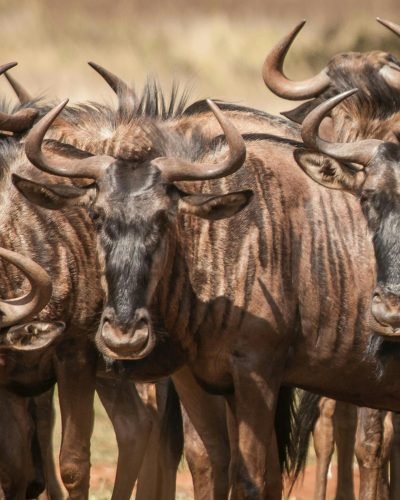
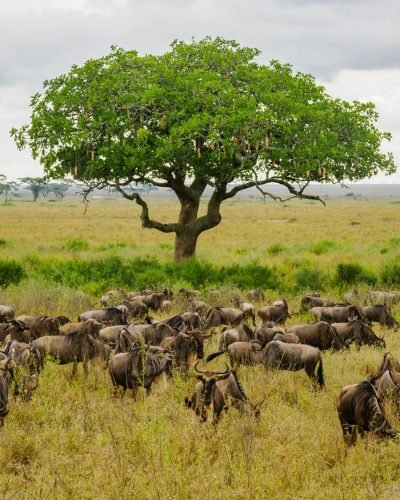
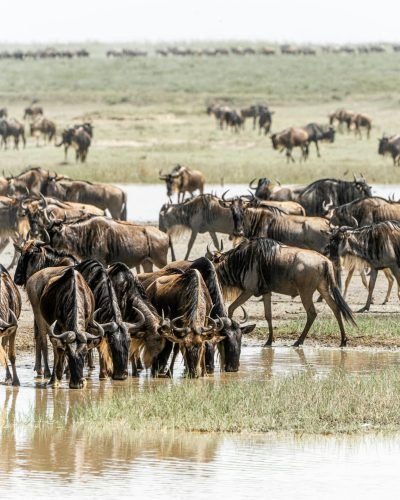
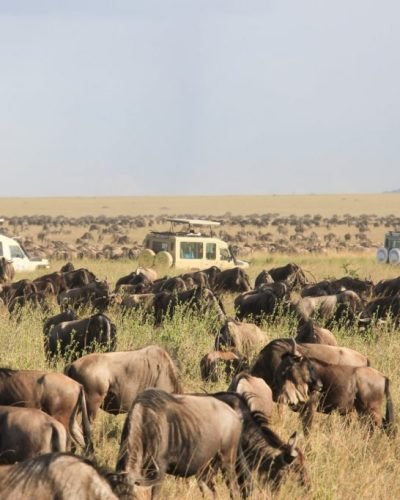
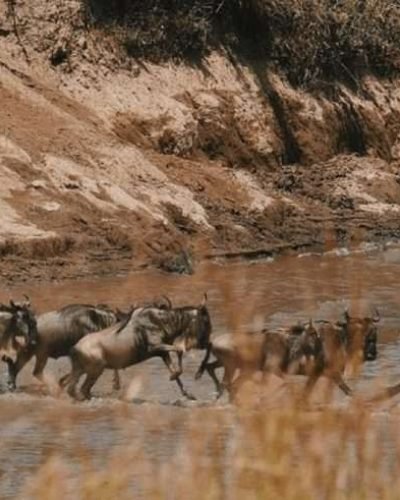
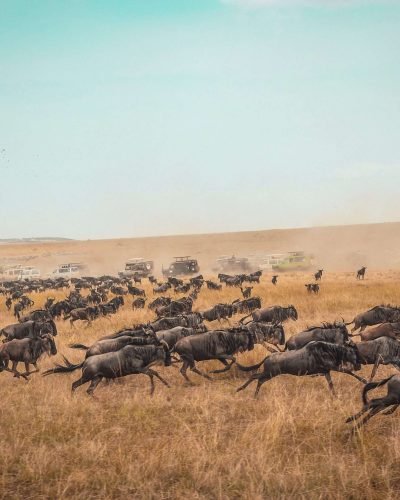
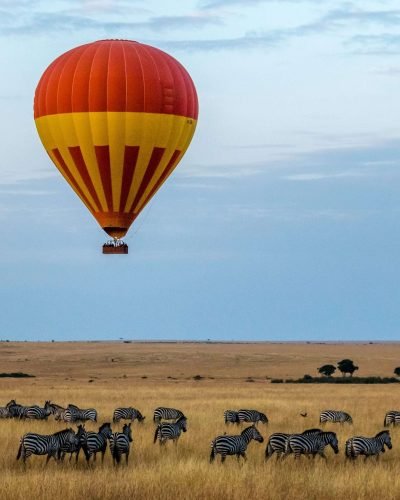
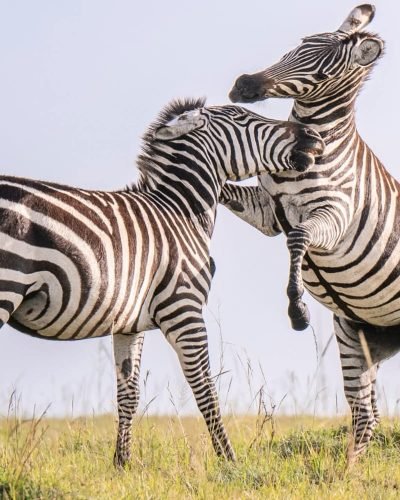
Every year between July and October, over 1.5 million wildebeest, 200,000 zebra and 350,000 Thomson's gazelle make a clockwise migration through Kenya's Masai Mara National Reserve — the most dramatic chapter of the Great Wildebeest Migration. They cross the Mara River in their thousands, plunging into crocodile-filled waters while lions and hyenas wait on the banks. It is raw, wild, ancient Africa — and you can sit in a vehicle just metres from the action.
No other wildlife event on the planet compares to a Mara River crossing. Sir David Attenborough has called it the greatest wildlife show on Earth. It happens here, in Kenya, every single year.
Did you know?
The Great Migration is the largest overland animal movement on Earth and is listed by National Geographic as one of the “Seven Wonders of the Natural World.” The crossing season in Kenya runs from approximately July to October — see our full 2026 migration calendar.
Kenya Big Five Safari
The Big Five — All in One Country
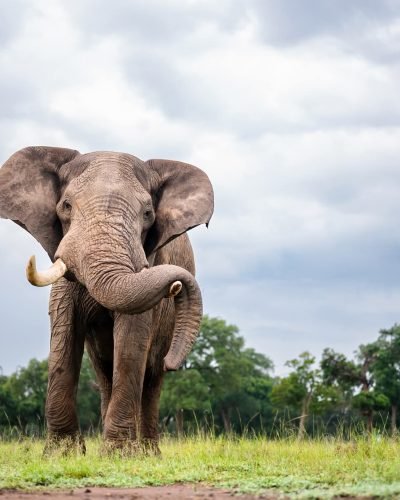
Kenya is one of only a handful of countries on Earth where you can see all five of the world's most iconic large animals — lion, elephant, leopard, rhino and buffalo — in a single trip. In Amboseli you track elephant herds beneath the snow-capped cone of Kilimanjaro. In the Masai Mara you find the densest concentration of large predators on the African continent. At Ol Pejeta Conservancy you come face-to-face with critically endangered black and white rhinos.
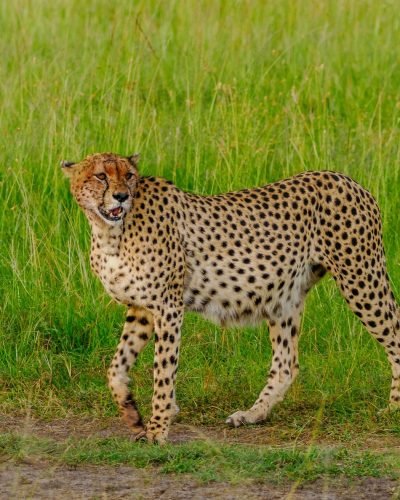
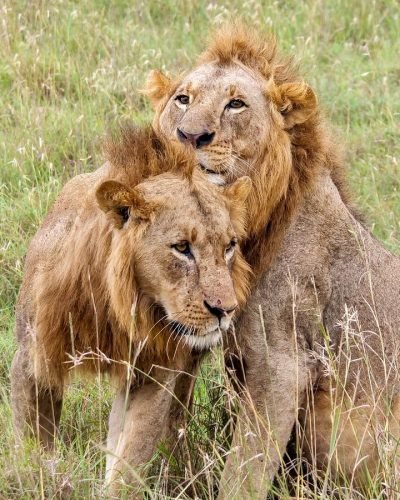
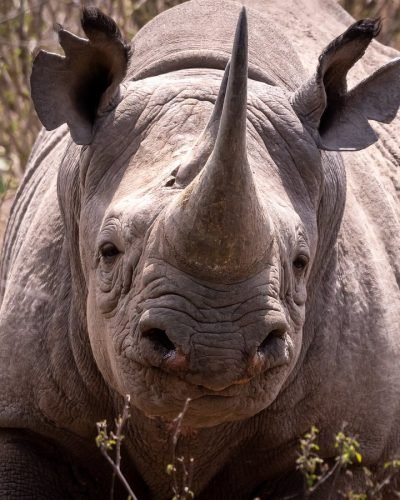
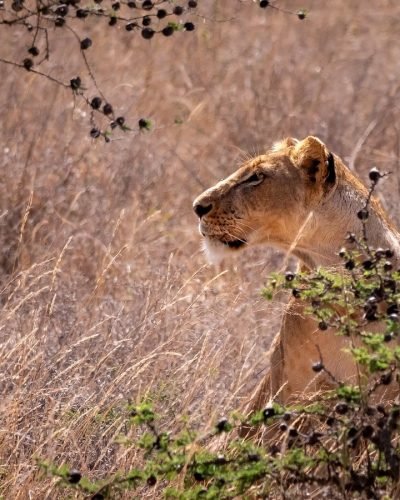
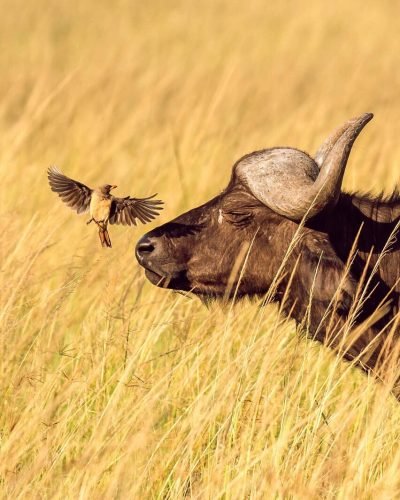
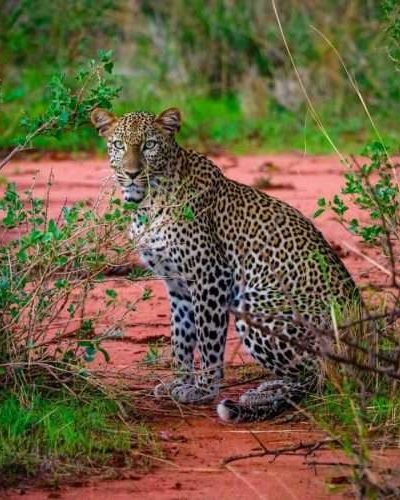
Kenya Big Five Safari
Over 50 National Parks and Reserves
Kenya has more protected wildlife areas than almost any other country in Africa. From the vast open plains of the Masai Mara to the semi-arid red earth of Tsavo (Kenya's largest park, twice the size of Wales), to the green hills of Aberdare, the flamingo-pink shores of Lake Nakuru and the remarkable northern frontier of Samburu — every park is a completely different landscape and wildlife experience.
| Park / Reserve | Best For | Distance from Nairobi | Best Season |
|---|---|---|---|
| Masai Mara | Migration, Big Five, predators | 270km (4–5 hrs) | Jul–Oct peak |
| Amboseli | Elephants, Kilimanjaro views | 230km (3–4 hrs) | Jan–Mar peak |
| Tsavo East & West | Red elephants, landscapes, value | 230km (3–4 hrs) | Year-round |
| Samburu | Northern specials, rare wildlife | 350km (5–6 hrs) | Jun–Sep peak |
| Ol Pejeta | Rhinos, chimps, Big Five | 250km (3–4 hrs) | Year-round |
| Lake Nakuru | Flamingos, rhinos, baboons | 157km (2–3 hrs) | Year-round |
| Nairobi National Park | Lion, rhino, giraffe near the city | 7km from city centre | Year-round |
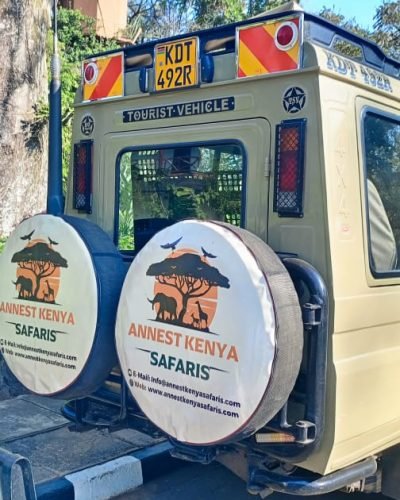
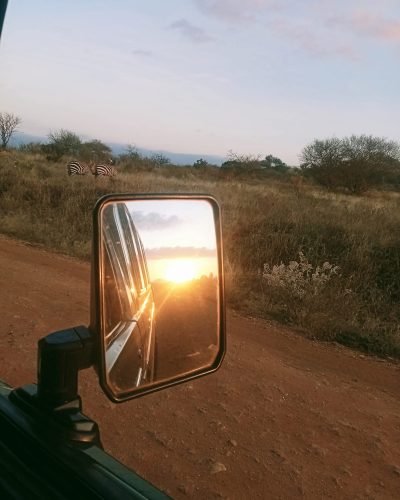
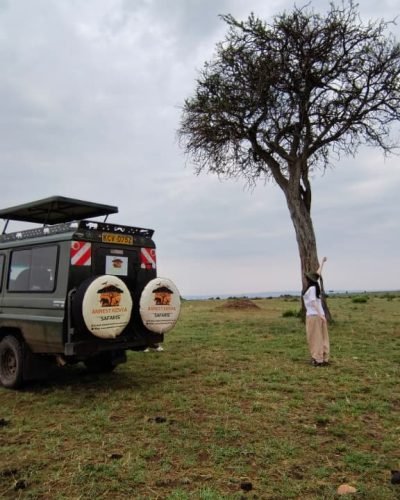
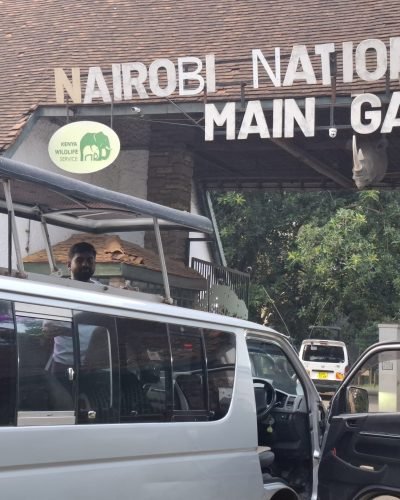
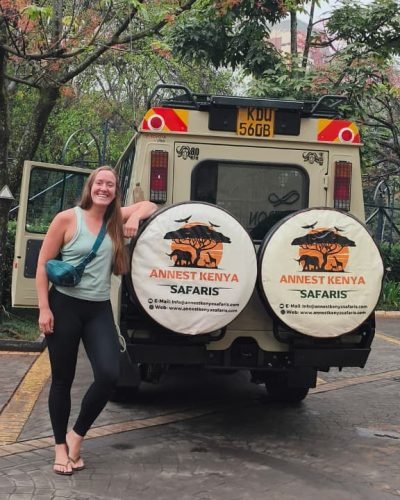
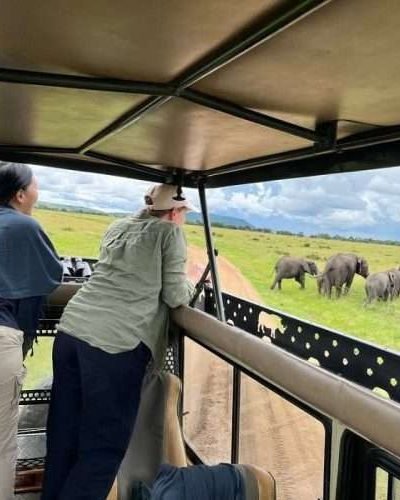
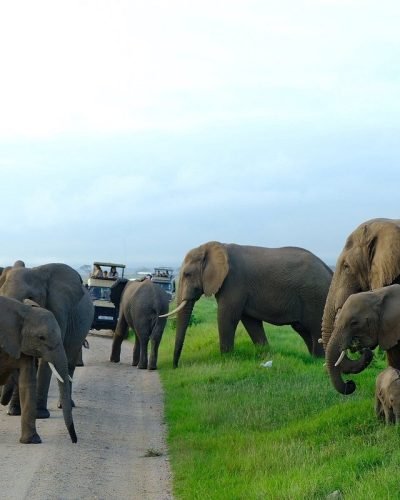
Kenya safari
Wildlife 365 Days a Year
Unlike some safari destinations that have a very specific "season," Kenya's wildlife is remarkable year-round. There is no off-season — only different wildlife experiences at different times of year. The Great Migration comes to Kenya July through October. The dry season (January to March) produces outstanding predator sightings on short, golden grass. The green season (April to June) transforms the landscape into lush emerald, with newborn animals and dramatic skies for photographers. November and December bring fresh rains and festive lodges under the African stars.
Our guides are in the parks every week, year-round. Whatever month you visit, they will know exactly where the lions are and which waterhole the elephants prefer that morning.
Kenya safari
Safari + Beach — Two Holidays in One
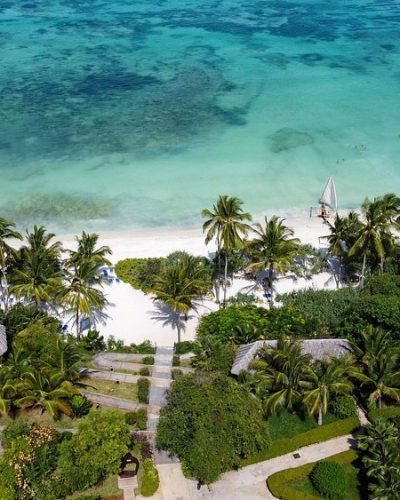
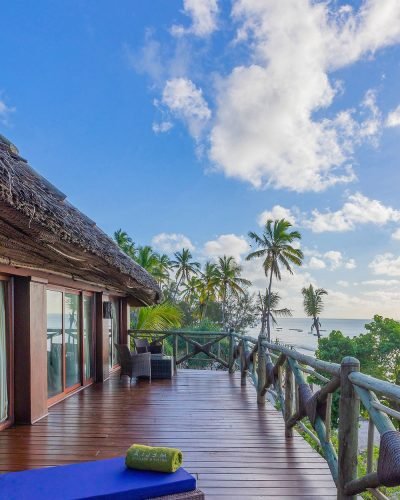
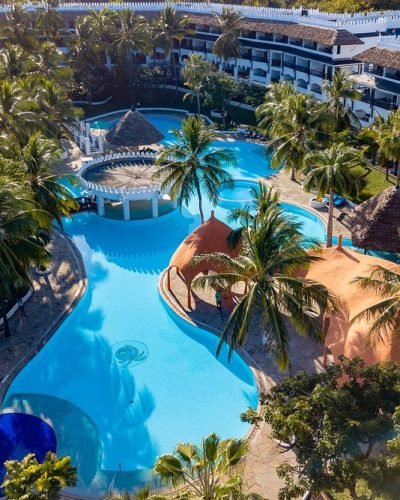
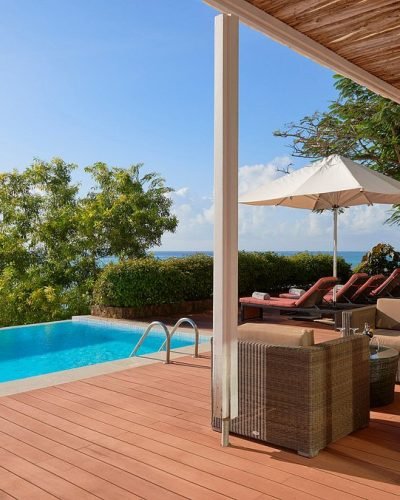
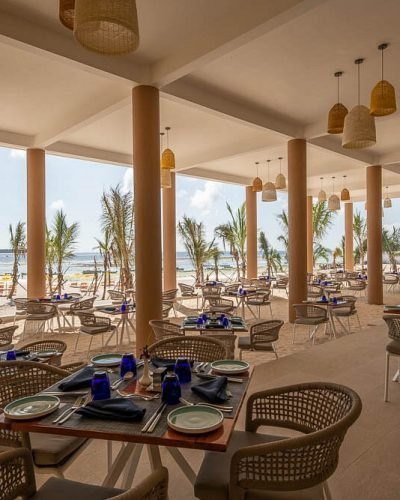
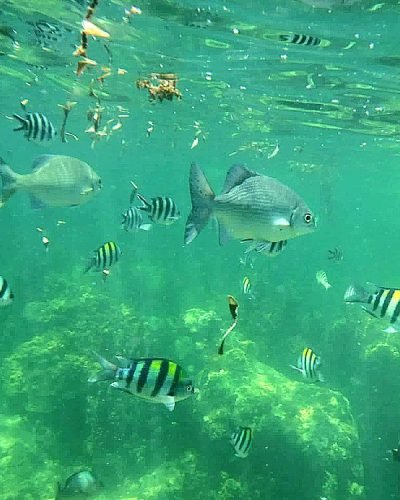
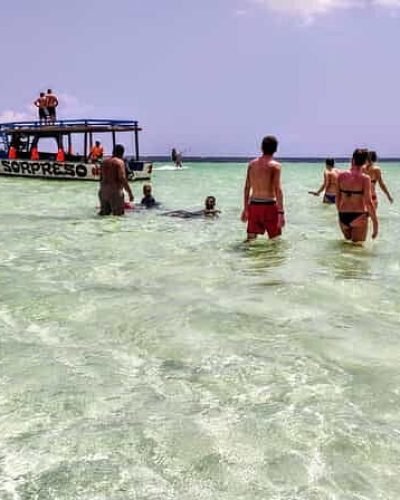
Kenya offers something no pure safari destination can match: the world-class combination of bush and beach. After your game drives in Tsavo or Amboseli, you can be on the powdery white sand of Diani Beach — consistently voted one of Africa's most beautiful beaches — within two to four hours. The turquoise Indian Ocean, coral reefs for snorkelling, beach resorts ranging from boutique to luxury, and the complete change of pace all make a Kenya safari and beach combination one of the most satisfying holidays possible.
— Expert team, Annest Kenya Safaris
Our 6-day Bush and Beach safari takes you from the red elephants of Tsavo East to the turquoise waters of Diani Beach. It is two completely different worlds, two hours apart — and together they make a trip that guests talk about for years.
VerifiedPosted on Tripadvisor
 Passenger33448050318Absolutely amazing Am Judith with friends , current in Dubai,We had an incredible 7-day safari with Annest Kenya Safaris covering Amboseli, Lake Naivasha, Lake Nakuru, and Masai Mara. Our guide was exceptional throughout—calm, experienced, and always in the right place at the right time for wildlife sightings. In Amboseli, we enjoyed stunning early morning views of Mount Kilimanjaro with elephants moving across the plains, while Lake Nakuru offered close rhino encounters that felt almost unreal. Masai Mara was the absolute highlight, especially watching lions and large herds of wildlife moving freely across the open savannah. One afternoon in the Mara, we were caught in unexpectedly heavy rain during a game drive. At one point, the track became a bit muddy and we were briefly “stuck” in the most adventurous way—but our guide handled everything so calmly and professionally that it actually felt like part of the experience rather than a problem. While waiting, we still watched elephants and buffalo moving through the rain just a short distance away, which made the moment even more special. The rain continued for a while, very heavy at times, but instead of ruining the day, it created some of the most dramatic and beautiful scenery of the entire trip—green plains, misty horizons, and wildlife appearing through the downpour. In the end, everything turned out to be perfect and became one of our most memorable safari stories. Ezra was amazing throughout the planning and coordination, always responsive and helpful, which made the whole journey smooth from start to finish. Overall, it was a truly unforgettable safari experience that we would happily repeat again.VerifiedPosted on Tripadvisor
 Ben DBest Trip of our Lives Wow! What an amazing experience. Annest Safaris provided top notch service and provided the best trip my partner and I could have asked for. A huge part of what made this trip so unforgettable was our guide, James. Truly, we couldn’t have asked for anyone better. His knowledge, passion, and instinct for tracking animals were next level, but what really set him apart was how much he cared about making our experience special. He always knew where to be and when, somehow putting us in the perfect spot for the most amazing sightings. On top of that, he was just a genuinely great person to spend time with, funny, patient, and deeply passionate about what he does. Every drive was an adventure, every moment was thoughtfully guided, and every memory was something we’ll treasure forever. If you’re considering a safari, choose Annest, and if you get the chance to have James as your guide, you’ve truly hit the jackpot! Asante to the Annest team!!VerifiedPosted on Tripadvisor
 ShareenWonderful Safari Experience! I had a good overall experience with Annest Kenya Safaris. The booking process was smooth, and communication was clear and professional throughout. My driver, David, was polite and ensured we arrived safely to each destination. I appreciated his calm demeanor and professionalism during the trip. The drive was longer than I expected, and wildlife sightings were somewhat limited, likely due to the rainy season. However, we did have a beautiful moment seeing a lion and her cubs, which was very special. Overall, the experience was well organized and reliable, and I would recommend them to anyone looking for a smooth and stress-free safari arrangement.VerifiedPosted on Tripadvisor
 Jana L.Customized Tour to Amboseli (Nairobi to Diani Beach) My visit to Amboseli with Annest Kenya Safaris and the driver guide James was great. The tour was customized to my preference with an early pick up in Nairobi, lots of game driving time in the park, one night at Amboseli Sopa Lodge and transit to Diana Beach included. The pre-communication could have been better though, e.g. I was told there'd be another short game drive in the morning of day two, which being there I noticed would be nonsensical and it was okay it didn't happen, but should just have been communicated so. In conclusion I also think the tour was quite expensive even for a private tour.VerifiedPosted on Tripadvisor
 andreasbrodtkorbAmboseli/Taavo EW An absolutely amazing experience. We had a four day experience including Amboseli and Tsavo E/W. James, our guide, made the adventure both convenient and educational. Thanks a lot!VerifiedPosted on Tripadvisor
 Coralise RExceptionnel Nous avons fait un safari de 4 jours et 3 nuits organisé par Annest c’était une expérience formidable ils sont au petit soins notre guide Salim pro et à l’écoute nous ne pouvons que recommander .VerifiedPosted on Tripadvisor
 ievaGreat 6-Day Kenya Safari with an Excellent Guide We had a great experience on the 6-day Comfort Kenya Safari. Everything was very well organized and the itinerary was nicely planned – in a few days we visited Amboseli National Park, Lake Naivasha and Masai Mara, which gave us a great mix of landscapes and wildlife. Our guide and driver, Humphrey, was professional, experienced and had a trained eye for spotting animals – often noticing wildlife long before we did. After the rain the parks were very muddy and we saw several safari vehicles getting stuck, but Humphrey handled the conditions calmly and drove us through without any problems. And the cherry on top – he managed to get us a leopard sighting, which felt like a real safari jackpot. Overall we felt safe, well taken care of and had a fantastic safari experience. Highly recommended!VerifiedPosted on Tripadvisor
 Avocat Viorel DThe best Safari company We had an amazing safari experience with Annest Kenya Safaris. Everything was perfectly organized from the beginning to the end of the trip. Our guide was very professional, knowledgeable, and friendly, always making sure we had the best wildlife viewing opportunities. Thanks to him, we saw elephants, giraffes, zebras, and many other animals in their natural habitat. The vehicle was comfortable and well prepared for safari, and the whole trip felt safe and enjoyable. The team was always punctual and very helpful. If you want a real safari experience in Kenya, I highly recommend Annest Kenya Safaris. It was truly unforgettable! ⭐ Rating: 5/5VerifiedPosted on Tripadvisor
 AVOCAT VIOREL DAnnest Kenya Safaris The best on the best! we were the most impressed by the services offered by annest kenya safaris! they are the best of all the agencies that organize game drive safaris! we were with them for 3 days we had the best safari possible! our guide was the smartest and we were always the first to all the most beautiful offers!! he took pictures, videos and stories for us the guide is the best!! we confidently recommend this agency and honestly you will not regret it! the prices are affordable, 24/24 support, no words of gratitude only respect and praise for you, bravo!!!VerifiedPosted on Tripadvisor
 Linda GGreat safari thanks to Annest Kenya Safari and especially James We had a very good experience with Annest Kenya Safari. We travelled in 7 days from Nairobi to Samburu, Ol Pejeta, Lake Nakuru, Masai Mara and back to Nairobi. Our guide James is an excellent guide, he spotted a group of lions the other guides didn’t notice! He is a very friendly guy with a “special Eye”, he knows a lot about the animals and where they live. Thanks to him we spotted the Big 5. In Samburu, where it was very dry, he handed out bottles of water to small children and showed us he cares for his country and the people. Ezra surprised us by giving us a hotel upgrade at Masai Mara. We can only conclude that the safari was a wonderful experience! Thanks to Ezra en especially to James.Load more
Safari and Culture
The Maasai — Culture That Enriches Every Safari
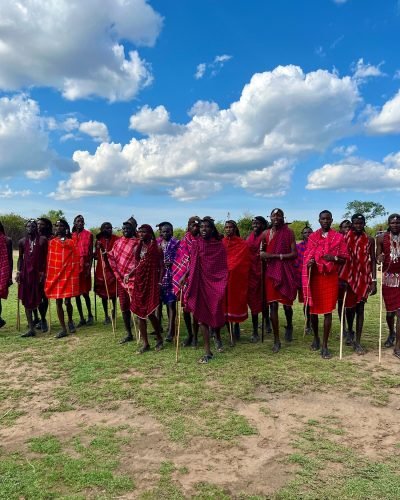
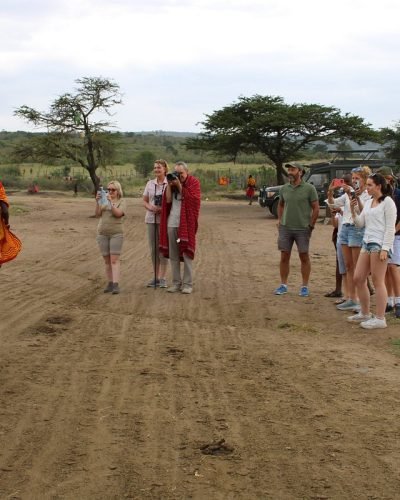
A Kenya safari is not only about wildlife. Kenya is home to over 40 ethnic groups, and none is more iconic or fascinating than the Maasai — the warrior pastoralists who have co-existed with Africa's wildlife for centuries. Visiting a Maasai village during your safari to learn about their customs, their relationship with the land and their extraordinary knowledge of nature adds a human depth to the wildlife experience that is impossible to find elsewhere.
Our guides grew up alongside these communities and can introduce you to village elders, traditional ceremonies and the quiet dignity of a people who have chosen to live alongside the wild rather than against it.
Flight and road safaris
Exceptional Safari Infrastructure
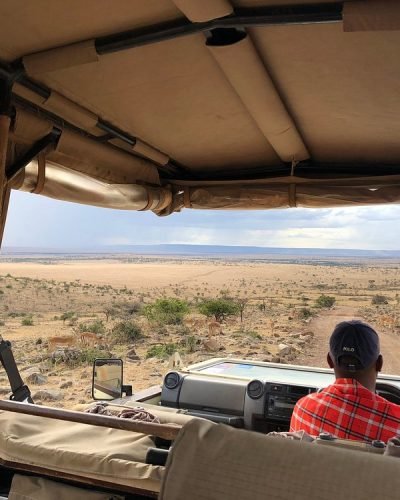
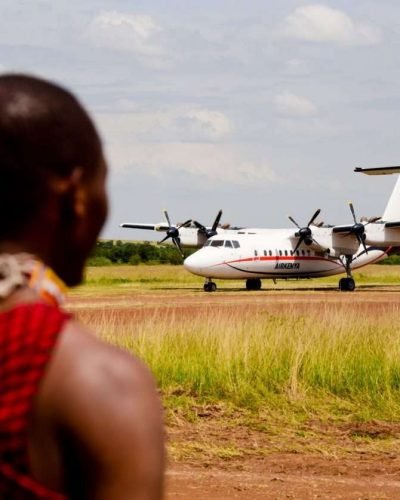
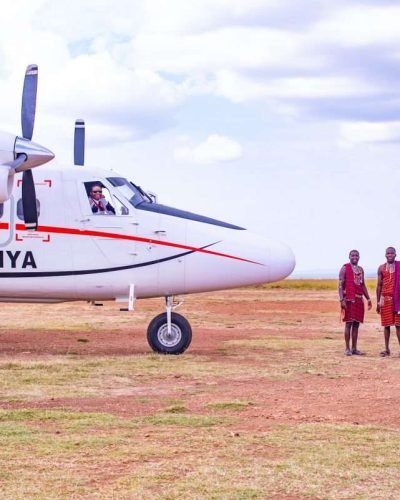
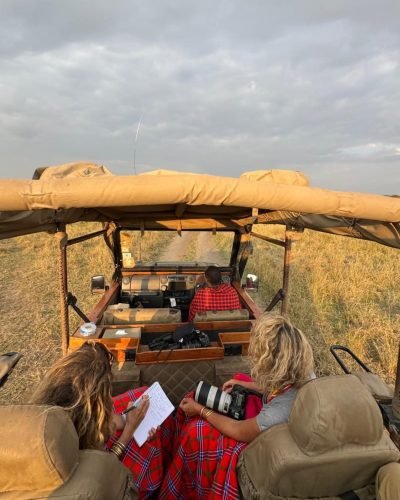
Kenya pioneered safari tourism. The result, after decades of development, is the most polished safari infrastructure on the continent. Well-maintained game tracks, world-class lodges and tented camps across every price point, good internal flight connections to remote parks, excellent roads between Nairobi and major parks, and a tourism ecosystem built around international visitor expectations. English is widely spoken, international SIM cards work in most parks, and Nairobi's Jomo Kenyatta International Airport is a major hub connecting directly to London, Dubai, Doha, Amsterdam, Istanbul and many US cities.
Value for Money
Value for Money — Every Budget Catered For
Kenya safaris are available at every price point. A 3-day private Amboseli safari starts from $490 per person, including vehicle, guide, accommodation, all meals and park fees. Luxury tented camps in the Masai Mara conservancies offer one of the most extraordinary experiences in travel at $400–$800 per person per night. And travelling in the green season (April to June) reduces lodge costs by 30–50% with absolutely no compromise on wildlife — in fact, some of our guides prefer the green season for its photography, intimacy and drama.
The full Kenya safari cost guide we have prepared breaks down every cost transparently so you can plan your budget with confidence.
Conservation Efforts in Kenya
Conservation — Your Safari Contributes to Protection
Kenya has been a global leader in wildlife conservation for decades. The Kenya Wildlife Service manages over 50 protected areas. Community conservancies — like those surrounding the Masai Mara — put tourism revenue directly into local communities, giving the Maasai a powerful economic reason to protect wildlife rather than compete with it. When you book a safari, a significant portion of your lodge rate goes directly to anti-poaching operations, ranger salaries, school scholarships and community health programmes. Your holiday is also conservation funding.
Annest Kenya Safaris is a member of Ecotourism Kenya and the East African Wildlife Society, and we only work with lodges and camps that meet our standards for environmental responsibility and community benefit.
The best feeling
The Feeling — It Changes How You See the World
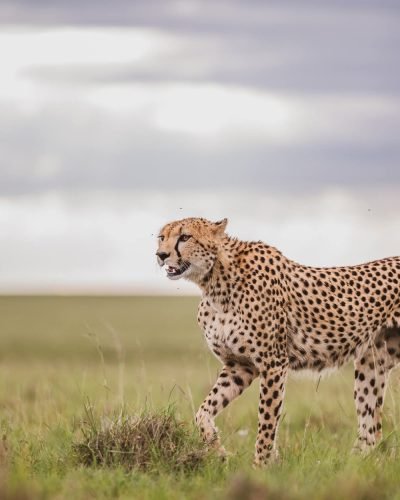
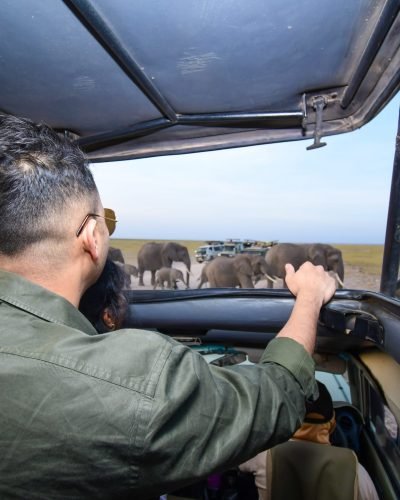
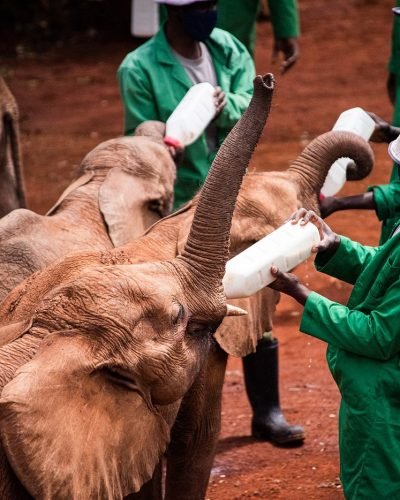
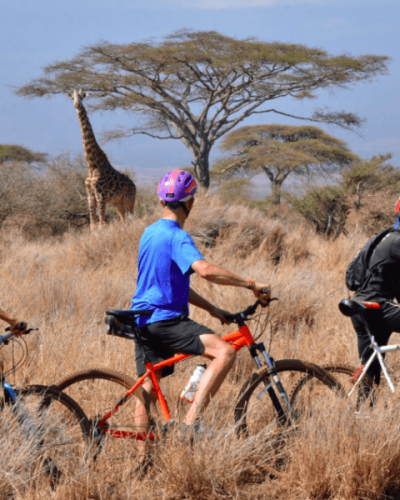
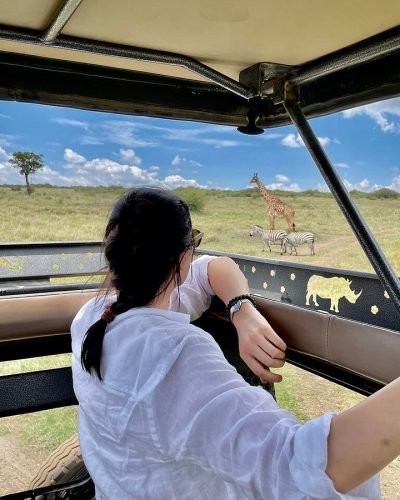
This is the reason none of the others fully explain. Every guest who returns from their first Kenya safari describes a version of the same experience: a fundamental shift in perspective. Watching a lion pride hunt at dawn, or sitting in silence as a herd of 200 elephants crosses the road metres from your vehicle, or witnessing a cheetah teach her cubs to stalk — these are not merely beautiful sights. They are profound reminders of a natural world that existed long before us and will endure long after, if we protect it.
Over 95% of our guests say their Kenya safari exceeded their expectations. Many return within two years. Some have come back six times. That is the truest endorsement we can offer.
Ready to Experience Kenya for Yourself?
Tell us your dates, group size and budget.
We’ll build your perfect Kenya safari itinerary — free, with no obligation, within 2 hours.
Or WhatsApp us: +254 112 458 884 · We reply in under 30 minutes
Frequently Asked Questions — Why Kenya Safari
Kenya is located in East Africa, straddling the equator and bordered by Uganda, Tanzania, South Sudan, Ethiopia, Somalia, and the Indian Ocean. Its central location makes it a hub for both safari adventures and coastal escapes.
Kenya is world-renowned for its:
Safari experiences and Big Five game viewing
The Great Wildebeest Migration in the Masai Mara
Iconic wildlife reserves like Amboseli, Tsavo, and Samburu
Warm hospitality and rich cultural heritage
Beautiful white-sand beaches like Diani Beach
The best time for safaris is July to October (dry season and Great Migration).
For fewer crowds and lush landscapes, December to March is also ideal.
Beach holidays are great year-round, especially along the Kenyan coast.
Yes, Kenya is generally safe for tourists. Most safaris and tourist areas are secure, and thousands of visitors enjoy Kenya each year without issues. Traveling with a registered safari operator, like Annest Kenya Safaris, ensures added safety and peace of mind.
Yes. Most travelers require an electronic travel authorization (eTA), which can be applied for online. The eTA has replaced the traditional visa process and is simple, fast, and affordable.
Kenya is home to:
The Big Five: lions, elephants, buffalo, rhinos, and leopards
Giraffes, zebras, cheetahs, hippos, crocodiles
Flamingos, ostriches, and over 1,100 bird species
Rare species like Grevy’s zebra, giraffe antelope (gerenuk), and Beisa oryx in Samburu
The currency is the Kenyan Shilling (KES). Most lodges accept major credit cards, but it’s advisable to carry some local cash for souvenirs, tipping, and small purchases.
Kenya has two official languages: English and Swahili. English is widely spoken in cities, lodges, and tourist areas, making travel communication easy for international visitors.
Absolutely! Kenya’s coast offers world-class beach destinations like:
Diani Beach – white sands and turquoise waters
Watamu & Malindi – coral reefs and water sports
Many travelers combine a Masai Mara safari with Diani for the ultimate bush-and-beach experience.
Annest Kenya Safaris is a locally owned and operated tour company offering:
Custom safaris to all major parks and reserves
Flexible packages for all budgets
Fast booking, expert guides, and excellent service
5-star reviews from happy travelers worldwide
Simple & Stress-Free
Kenya Is Waiting — Let's Plan Your Safari
From the Masai Mara to Amboseli, from Diani Beach to the Serengeti — our local experts will craft your perfect East African adventure.