

Big Five in Kenya: Where to See Lions, Elephants, Leopards, Rhinos and Buffalo
Seeing Africa’s Big Five is high on the wish list of many safari travelers, and Kenya is one of the best-known destinations in Africa for the experience.
The Big Five in Kenya are the lion, African elephant, leopard, rhinoceros and African buffalo. They live across several different ecosystems, from the open grasslands of the Masai Mara to the dry landscapes of Tsavo and the wetlands and woodlands around Lake Nakuru.
But seeing the Big Five is not simply a matter of visiting one park and ticking five animals off a list. Each species behaves differently, habitats vary considerably between parks, and some animals are much easier to find than others.
A good Kenya safari therefore comes down to choosing the right destinations, allowing enough time and understanding what each park is particularly known for.
Here is where to see the Big Five in Kenya, which parks are worth considering, the best time to go and how to plan a safari around your wildlife interests.
What Are the Big Five?
The term Big Five refers to five African mammals:
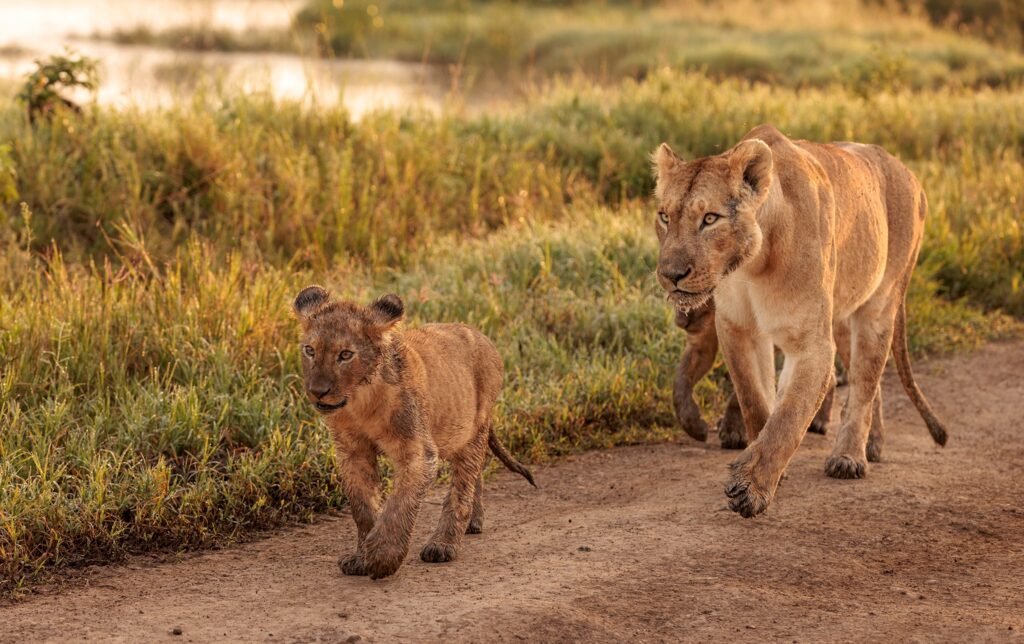
- Lion
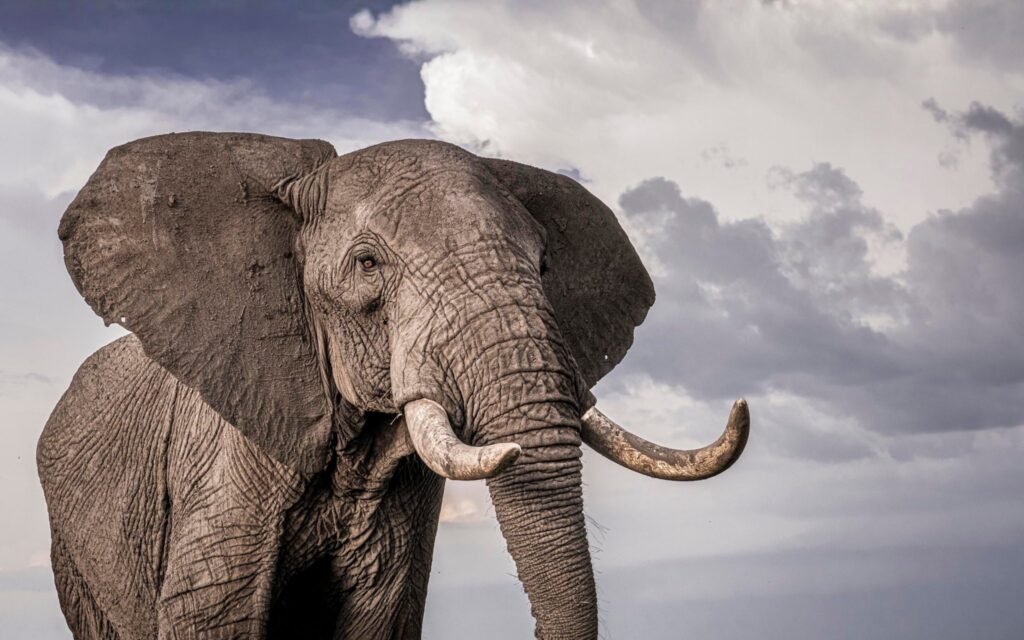
- African elephant
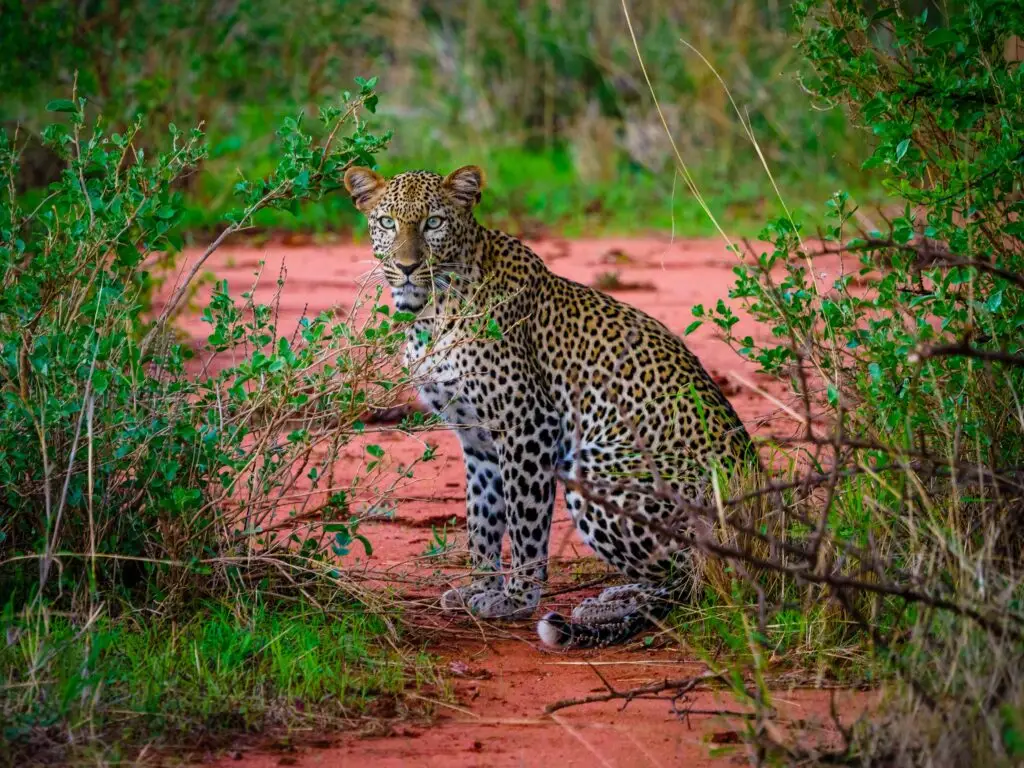
- Leopard
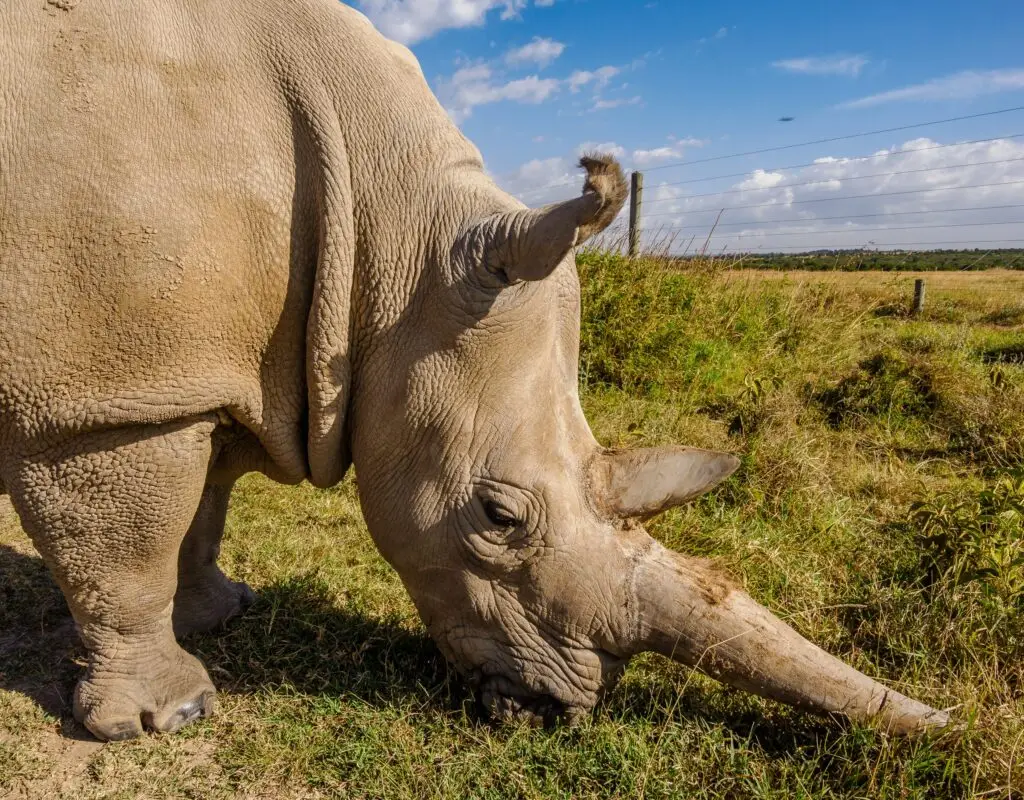
- Rhinoceros
- African buffalo
The name comes from the days of big-game hunting, when these five animals were considered among the most difficult and dangerous animals to hunt on foot.
Today, the term has a completely different meaning for most travelers. It is part of the language of wildlife viewing and photography, and seeing these animals in their natural environment is one of the highlights of a Kenya safari.
Importantly, the Big Five are not necessarily the five largest animals in Africa. The group is based on the historical meaning of the term rather than size.
And while the Big Five attract much of the attention, they are only part of Kenya’s wildlife story. A safari can also bring encounters with cheetahs, giraffes, zebras, wildebeest, hippos, hyenas, gazelles, monkeys and hundreds of bird species.
Where Can You See the Big Five in Kenya?
There are several places in Kenya where you can look for the Big Five. Some are better known for particular species than others.
The most important destinations include:
- Masai Mara National Reserve
- Amboseli National Park
- Lake Nakuru National Park
- Ol Pejeta Conservancy
- Tsavo East and Tsavo West
- Nairobi National Park
The best choice depends on which animals you most want to see and how much time you have.
1. Masai Mara National Reserve
A classic destination for Big Five viewing
The Masai Mara is probably the first place many travelers think of when planning a Kenya safari.
Its open savannahs provide excellent conditions for wildlife viewing, and the reserve is particularly well known for its big cats.
Lions are frequently encountered across the Mara, while leopards can sometimes be found in areas with suitable cover along rivers and woodland edges. Buffalo and elephants are also part of the ecosystem.
Rhinos are present, although they are considerably less predictable to find than lions, elephants or buffalo.
The Mara is also famous for the Great Wildebeest Migration, when huge numbers of wildebeest, zebras and other grazing animals move through the wider Mara-Serengeti ecosystem.
The migration can produce spectacular predator activity, but you do not need to visit during the migration to enjoy a Big Five safari.
The Masai Mara is particularly suited to travelers interested in lions, leopards, predators, photography and classic open-savannah safari scenery.
2. Amboseli National Park
The place to go for elephants and Kilimanjaro views
Amboseli offers a very different safari experience from the Masai Mara.
The park is famous for its elephants and for views toward Mount Kilimanjaro across the Kenya-Tanzania border.
Large elephant herds are one of the defining sights of Amboseli. On a clear day, seeing elephants moving across the plains with Kilimanjaro rising behind them can be one of the most memorable photographic opportunities in Kenya.
Amboseli is also home to lions, buffalo, giraffes, zebras, hyenas and numerous bird species.
Leopards occur in the ecosystem but are more elusive.
If elephants are one of your main reasons for visiting Kenya, Amboseli deserves serious consideration.
3. Lake Nakuru National Park
An important destination for rhinos
Lake Nakuru is one of the most useful destinations to include in a Kenya safari if rhinos are high on your list.
The park supports both black and white rhinos, as well as buffalo, lions, leopards and other wildlife.
The landscape is different from the wide-open plains of the Mara. Lake Nakuru is surrounded by woodland, grassland and rocky terrain, creating a varied habitat for wildlife.
The park is also known for its birdlife. Depending on water conditions and the season, visitors may see flamingos and many other waterbirds around the lake.
Because of its location in Kenya’s Great Rift Valley, Lake Nakuru is often combined with Lake Naivasha and the Masai Mara on a longer safari from Nairobi.
Explore Lake Nakuru National Park
4. Ol Pejeta Conservancy
One of Kenya’s most important rhino conservation areas
Ol Pejeta Conservancy, in Kenya’s Laikipia region, offers a different perspective on the Big Five.
It is particularly well known for rhino conservation and provides important habitat for both black and white rhinos.
Ol Pejeta is also home to the world’s last two northern white rhinos, Najin and Fatu. Their story has become one of the world’s best-known examples of the challenges facing critically endangered wildlife.
Beyond rhinos, the conservancy supports lions, elephants, leopards, buffalo and many other species.
Visitors can also learn about conservation initiatives within the conservancy, making Ol Pejeta an interesting choice for travelers who want their safari to include more than traditional game viewing.
If conservation and rhinos are a major part of your interest in Kenya, Ol Pejeta is well worth considering.
5. Tsavo East and Tsavo West National Parks
Big Five safari in Kenya’s vast eastern wilderness
The Tsavo ecosystem offers a completely different atmosphere from the Masai Mara.
Tsavo East and Tsavo West together cover a vast area, with landscapes ranging from open plains and dry bush to volcanic terrain, hills, rivers and springs.
Tsavo is particularly famous for its elephants. Some are known as the red elephants of Tsavo because they cover themselves in the park’s distinctive reddish soil and dust.
The parks also support:
- Lions
- Leopards
- African buffalo
- Giraffes
- Hippos
- Crocodiles
- Numerous antelope species
- A wide variety of birds
Tsavo West is also home to the Ngulia Rhino Sanctuary, an important black rhino conservation area.
For travelers staying in Mombasa or Diani Beach, Tsavo offers one of the most practical ways to combine a coastal holiday with a Kenya wildlife safari.
Discover the Red Elephants of Tsavo
Explore Tsavo West National Park
6. Nairobi National Park
A Big Five experience surprisingly close to the city
Nairobi National Park is one of Kenya’s most unusual wildlife destinations.
The park is located just outside Kenya’s capital, with Nairobi’s skyline visible from parts of the park.
Despite its proximity to a major city, the park supports an impressive range of wildlife, including black rhinos, lions, buffalo, giraffes, zebras and other species.
Leopards are also present, although they are naturally difficult to find.
For travelers with limited time in Nairobi, the park can be a practical introduction to Kenya’s wildlife. It can also be useful for visitors who have a few hours available before an international flight or before beginning a longer safari.
Read about Nairobi National Park Safaris
Where Is the Best Place to See Each Big Five Animal in Kenya?
Rather than asking which single park is best for the Big Five, it can be more useful to ask where particular species are most interesting to look for.
Where to See Lions in Kenya
Lions occur across several Kenyan ecosystems, but the Masai Mara is particularly famous for its lion population and open landscapes.
The Mara’s grasslands can provide excellent opportunities to observe lions resting, socializing, hunting and raising cubs.
Amboseli and Tsavo also support lions.
Where to See Elephants in Kenya
For elephants, Amboseli and Tsavo stand out.
Amboseli is famous for large elephant herds and the possibility of photographing them with Mount Kilimanjaro in the background.
Tsavo provides a different experience, with elephants moving through a much larger and more rugged landscape.
Where to See Leopards in Kenya
The leopard is often the Big Five animal that requires the most patience.
Unlike lions, leopards are solitary and can spend much of their time concealed in vegetation, rocky areas or trees.
The Masai Mara is an important leopard-viewing destination, while leopards also occur in other Kenyan ecosystems.
A knowledgeable guide can help identify signs and likely habitats, but even then, there are no guarantees.
Where to See Rhinos in Kenya
If rhinos are a priority, consider:
- Lake Nakuru National Park
- Ol Pejeta Conservancy
- Nairobi National Park
- Tsavo West
Ol Pejeta and Lake Nakuru are particularly relevant for travelers specifically interested in rhinos.
Where to See African Buffalo in Kenya
Buffalo are more widely distributed than some of the other Big Five.
They can be encountered in the Masai Mara, Amboseli, Tsavo and Lake Nakuru, among other areas.
Large buffalo herds are an impressive sight, but it is worth remembering that these are powerful wild animals and should always be observed from a safe distance.
Can You See All Five Big Five Animals on One Kenya Safari?
Yes, it is possible to see all five on one Kenya safari, but no responsible safari operator can guarantee it.
Wild animals are not following a schedule.
Elephants may cross a road minutes before your arrival. A leopard can disappear into thick vegetation. Rhinos may be in another part of the park. Lions can spend hours resting in cover.
This unpredictability is part of what makes a safari different from visiting a zoo.
If seeing all five is particularly important to you, the best approach is to build an itinerary around several suitable wildlife areas and allow enough time for multiple game drives.
A route combining destinations such as the Masai Mara, Lake Nakuru and Ol Pejeta can give a traveler a broader range of wildlife opportunities.
Another approach is to combine Amboseli and Tsavo, particularly when starting from the Kenyan coast.
How Many Days Do You Need for a Big Five Safari?
There is no fixed answer because it depends on the route.
Three days
A three-day safari can work very well if you concentrate on one destination.
For example, three days in the Masai Mara can provide several game drives without spending too much of your holiday traveling between parks.
Four to five days
With four or five days, you have more options.
You might combine:
Masai Mara + Lake Nakuru
or
Amboseli + Tsavo
Six to eight days
A longer safari gives you the opportunity to explore several different ecosystems.
For example:
Nairobi → Ol Pejeta → Lake Nakuru → Masai Mara
or:
Nairobi → Amboseli → Tsavo → Mombasa
The longer you have, the less time you need to spend rushing from one destination to another.
When Is the Best Time to See the Big Five in Kenya?
Kenya is a year-round safari destination, but different seasons create different conditions.
June to October
This is the traditional dry-season period and one of the most popular times for safari.
Vegetation can be less dense, and animals may gather around remaining water sources.
The Masai Mara also becomes part of the Great Wildebeest Migration during the migration season, although the exact timing varies each year.
January to March
This period can also offer good wildlife viewing conditions in many parts of Kenya.
The landscapes can be greener than during the later dry season, and travelers may encounter young animals in some areas.
April to May
These months are associated with Kenya’s long rains.
The countryside can become beautifully green, and some lodges and safari services offer lower-season pricing.
Rain does not necessarily mean that safari is impossible. However, road conditions and wildlife viewing can be different from the dry season.
November to December
The short rains can bring another change in the landscape.
For travelers who prefer greener scenery and potentially fewer visitors, this can be an interesting time to visit.
The “best” time ultimately depends on what you want from your safari rather than one universal calendar date.
Big Five Safari from Nairobi
Nairobi is one of the easiest places to begin a Kenya safari.
From the capital, travelers can reach:
- Nairobi National Park
- Amboseli
- Lake Nakuru
- Lake Naivasha
- Ol Pejeta
- Masai Mara
This makes Nairobi particularly convenient for first-time visitors who want to combine several destinations.
Big Five Safari from Mombasa or Diani
You do not have to begin your Kenya safari in Nairobi.
Travelers staying on the coast can start with Tsavo East, Tsavo West or Amboseli before continuing to Mombasa or Diani Beach.
For example:
Diani → Tsavo East → Tsavo West → Amboseli → Mombasa
Another option is to combine a short road safari in Tsavo with a flight to the Masai Mara.
This can be a good way to combine a Kenya safari and beach holiday without spending unnecessary days traveling between the coast and inland parks.
Road Safari or Fly-In Safari?
Both approaches have their advantages.
A road safari lets you experience more of the Kenyan landscape between parks and works particularly well for destinations that are relatively close together.
A fly-in safari can save considerable travel time, especially when connecting Nairobi or the coast with the Masai Mara.
If your holiday is short, flying can allow you to spend more time in the destination and less time on the road.
For travelers with more time, road travel can become part of the adventure.
Tips for Seeing the Big Five in Kenya
Give yourself enough time
Trying to see five elusive species in two or three game drives is unrealistic.
More days mean more opportunities.
Choose your parks based on your priorities
If rhinos are your main interest, look at Lake Nakuru or Ol Pejeta.
If elephants are your priority, consider Amboseli or Tsavo.
If predators are the main attraction, the Masai Mara deserves attention.
Start game drives early
Early morning can be an excellent time for wildlife viewing because many animals are active before the heat of the day.
Afternoon and evening drives can offer different encounters.
Listen to your guide
A good safari is not only about finding animals.
Your guide can explain tracks, calls, behavior, habitats and the relationships between species.
That can turn a simple sighting into a much richer experience.
Bring patience
A leopard may take an hour to find.
A pride of lions may be sleeping.
An elephant herd may suddenly appear around a bend.
Safari rewards travelers who are willing to slow down and observe.
Do not measure the safari only by the Big Five
Some of the most memorable Kenya safari moments have nothing to do with ticking off a checklist.
It might be a giraffe walking through golden grass at sunset, hundreds of flamingos around a lake, a cheetah scanning the plains or a herd of elephants crossing the road.
The Big Five are only the beginning.
Planning a Big Five Safari in Kenya
The right Kenya safari depends on more than the animals you want to see.
Consider:
- How many days you have
- Where you are starting
- Your accommodation preference
- Whether you want a private or shared safari
- Whether you prefer road travel or flights
- Your interest in photography
- Whether you want to include the Great Migration
- Whether you want to combine safari with a beach holiday
For example, a traveler staying in Diani for a week may choose a short Tsavo safari, while someone arriving in Nairobi for 10 days may have time for the Masai Mara, Lake Nakuru and Ol Pejeta.
This is where local knowledge becomes useful. Kenya’s parks are not interchangeable, and the most suitable route depends on what you actually want to experience.
Big Five Safari and Beach Holiday
One of the advantages of choosing Kenya is that you can combine a wildlife safari with the Indian Ocean coast.
A trip could begin with wildlife in the Masai Mara or Amboseli and finish with several days in Diani Beach.
Alternatively, travelers staying in Diani or Mombasa can begin with Tsavo before returning to the coast.
This combination gives you two very different sides of Kenya:
African wilderness + Indian Ocean beaches
For couples, families and travelers taking a longer holiday, it can be a particularly appealing way to experience the country.
Why the Big Five Are Only Part of a Kenya Safari
The phrase “Big Five safari” is useful when planning a trip, but Kenya’s wildlife is far more diverse than five species.
Depending on where you travel, you may also encounter:
- Cheetahs
- Giraffes
- Zebras
- Wildebeest
- Hippos
- Hyenas
- Warthogs
- Gazelles
- Antelopes
- Monkeys
- Crocodiles
- Hundreds of bird species
Northern Kenya adds another layer of diversity, with species and landscapes that are quite different from those of the southern and central safari circuits.
A safari is ultimately about experiencing an ecosystem, not simply collecting animal sightings.
Exploring Kenya’s Big Five with Annest Kenya Safaris
At Annest Kenya Safaris, we help travelers plan wildlife trips across Kenya based on their available time, starting point and interests.
That might mean a short Masai Mara safari from Nairobi, a rhino-focused itinerary including Lake Nakuru or Ol Pejeta, an Amboseli and Tsavo circuit, or a safari from Mombasa or Diani followed by time on the beach.
The important thing is to build the itinerary around the experience you want rather than trying to fit every Kenyan park into one trip.
If you are planning a Kenya safari and want to discuss which parks make sense for your dates and interests, you can plan your Kenya safari or explore the wider range of Kenya safari packages.
Frequently Asked Questions About the Big Five in Kenya
What are the Big Five in Kenya?
The Big Five are the lion, African elephant, leopard, rhinoceros and African buffalo. The term has its origins in big-game hunting and is now widely used in safari tourism.
Where can I see the Big Five in Kenya?
The Big Five occur across several Kenyan wildlife areas. Important destinations include the Masai Mara, Amboseli, Lake Nakuru, Ol Pejeta, Tsavo East, Tsavo West and Nairobi National Park.
Can I see all five Big Five animals on one safari?
Yes, it is possible, but sightings cannot be guaranteed. A longer safari visiting suitable wildlife areas can give you more opportunities to encounter all five.
Where is the best place to see lions in Kenya?
The Masai Mara is particularly well known for lions and other large predators. Lions also occur in Amboseli, Tsavo and other Kenyan ecosystems.
Where can I see elephants in Kenya?
Amboseli and Tsavo are particularly famous for elephants. Amboseli is known for large herds and views of Mount Kilimanjaro.
Where can I see leopards in Kenya?
Leopards occur in several Kenyan ecosystems, including the Masai Mara. They are naturally elusive, so sightings require patience and favorable conditions.
Where can I see rhinos in Kenya?
Good destinations for rhino viewing include Lake Nakuru National Park, Ol Pejeta Conservancy, Nairobi National Park and Tsavo West.
What is the best time for a Big Five safari in Kenya?
Kenya offers safari opportunities throughout the year. The June to October dry season is particularly popular, while January to March can also provide good wildlife viewing in many areas. The best time depends on the destinations and experiences you want.
How many days do I need for a Big Five safari?
Three days can work well for a focused safari in one destination such as the Masai Mara. If you want to visit multiple ecosystems and increase your opportunities for seeing the Big Five, consider around 5 to 8 days or longer.
Can I do a Big Five safari from Mombasa or Diani Beach?
Yes. Tsavo East, Tsavo West and Amboseli can be incorporated into safari itineraries from Kenya’s coast. Travelers with additional time can also combine a road safari with a flight to the Masai Mara.
Can I combine a Big Five safari with Diani Beach?
Yes. Kenya is particularly well suited to combining a wildlife safari with a beach holiday. Tsavo and Amboseli can work well for road-based combinations, while the Masai Mara can also be connected with the coast by air.
Are Big Five safaris suitable for families?
Yes. Families can enjoy Kenya safaris, although the itinerary should take the children’s ages, drive times and accommodation into account. A private safari can provide greater flexibility.
Can a safari company guarantee Big Five sightings?
No. Wild animals move freely and sightings are affected by weather, habitat, animal behavior and chance. A responsible safari operator should provide realistic expectations rather than guarantee sightings.