

Best Time for a 2-Day Amboseli Safari: Weather, Wildlife and Kilimanjaro Views
When should you visit Amboseli National Park for a two-day safari?
The answer depends on what you want from your trip. You might be hoping to photograph elephants against Mount Kilimanjaro, enjoy clear views across the plains, experience greener landscapes or avoid the busiest travel periods.
Amboseli is a year-round safari destination, but the experience changes with the seasons. Rainfall influences the appearance of the landscape, vegetation, water availability and wildlife distribution.
For a short 2-day, 1-night safari from Nairobi, choosing your dates thoughtfully is particularly important. You have limited time in the park, so understanding seasonal conditions can help you plan a more rewarding experience.
Here is what to know before choosing when to visit.

When Is the Best Time for a 2-Day Amboseli Safari?
The dry periods, particularly June to October and December to February, are popular choices for wildlife viewing and photography.
During these months, parts of the surrounding landscape become drier, and animals may concentrate around available water and grazing areas. Shorter vegetation in some habitats can also make wildlife easier to observe.
However, the greener months have their own attractions. Rainfall can transform the plains, support seasonal vegetation and create interesting birdwatching opportunities.
There is no single month that is perfect for every visitor. Your priorities should determine when you travel.
Quick Seasonal Guide
| Period | General conditions | What visitors may appreciate |
|---|---|---|
| June–October | Generally drier conditions | Open landscapes, wildlife viewing and photography |
| November–December | Short-rain period, with local variation | Greener scenery and seasonal birdlife |
| January–February | Generally drier conditions | Open landscapes and opportunities for wildlife photography |
| March–May | Long-rain period, with the heaviest rainfall generally occurring within this period | Green scenery, seasonal water and birdwatching |
These are broad seasonal patterns, not guarantees of the weather on your travel dates. Rainfall varies from year to year and across the wider ecosystem.
1. Visiting Amboseli During the Dry Season: June to October
The June-to-October period is one of the popular times to visit Amboseli.
As rainfall decreases, much of the surrounding landscape becomes drier. Vegetation conditions change, and wildlife may gather around available water and feeding areas.
For visitors on a two-day safari, this can be helpful because you have limited time to explore different parts of the park.
What makes this period attractive?
- Drier conditions can make some roads and tracks easier to navigate.
- Shorter vegetation in some areas can improve visibility.
- Wildlife may concentrate around water and feeding areas.
- The landscape offers dramatic contrasts between dry plains and green wetlands.
- It can be a rewarding period for wildlife photography.
What should you consider?
June to October can be a busy travel period, especially during popular holiday dates. Accommodation availability and prices may vary according to demand.
If you are planning a safari during school holidays or other busy travel periods, arrange your accommodation and transport early.
Is this the best time to see elephants?
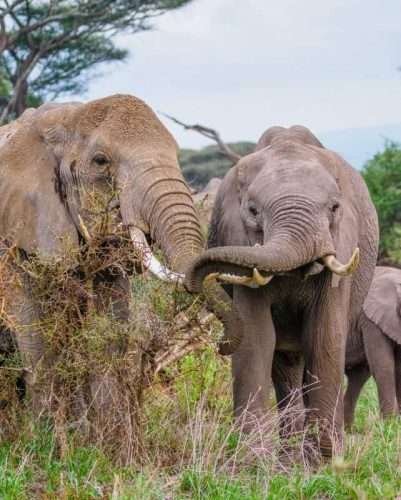
Amboseli is famous for its elephants throughout the year. During the dry season, changing water and grazing conditions may influence where different herds are found.
Elephant sightings are an important attraction, but their exact location and behaviour cannot be guaranteed.
2. Visiting Amboseli During the Short Dry Season: December to February
December to February is another popular period for Amboseli safaris.
These months generally fall within a shorter dry period between the main rainy seasons, although occasional rainfall can still occur.
For travellers planning a two-day safari, this period can offer an appealing combination of drier travel conditions and opportunities for wildlife viewing.
Why consider December to February?
- Generally drier conditions than the main rainy seasons.
- Opportunities to photograph elephants and other plains wildlife.
- Good conditions for enjoying Amboseli’s open landscapes.
- A useful option for travellers visiting Kenya during the festive holiday period.
December can be particularly busy around Christmas and New Year, so accommodation should be checked early.
January and February can also be warm. Carry sun protection, drink enough water and follow your guide’s advice during game drives.


3. Visiting Amboseli During the Long Rains: March to May
The March-to-May period is generally associated with Kenya’s long rains.
In Amboseli, rainfall can change the appearance of the landscape, bringing greener vegetation and seasonal water across parts of the ecosystem.
For visitors who enjoy landscapes, birdlife and a different side of the park, this season can be interesting.
What can you experience?
- Greener scenery and changing vegetation.
- Seasonal water across suitable areas.
- Opportunities to observe resident and migratory birdlife.
- Different photographic conditions and atmospheric skies.
- Potentially quieter travel periods compared with some peak holiday dates.
What are the challenges?
Rainfall can affect road conditions, travel times and the ease of moving around certain areas.
For a two-day safari, this matters because you have less flexibility to adjust your schedule if heavy rain affects your journey or game drives.
Choose an appropriate safari vehicle and confirm the operator’s arrangements for changing weather conditions. A capable four-wheel-drive safari vehicle is particularly important when road conditions become difficult.
The green season is not a season without wildlife. It simply offers a different landscape and potentially different wildlife-viewing conditions.
4. Visiting Amboseli During the Short Rains: November to December
The short rains generally occur between October and December, although the onset and distribution vary.
November can bring changing weather, greener landscapes and opportunities to observe seasonal birdlife.
December may transition towards generally drier conditions, but rainfall patterns are not identical every year.
For visitors who prefer a less predictable but potentially beautiful landscape, this period can be worth considering.
Before booking, check the current weather outlook and ask your safari operator about road conditions and accommodation availability.
Does the Season Affect Wildlife Sightings in Amboseli?
Yes. Seasonal conditions influence the availability of water, grazing and vegetation, which in turn affect where animals spend their time.
Amboseli has an interesting advantage: its permanent wetlands are supported by underground water originating from the Mount Kilimanjaro catchment.
This means the park retains important wetland habitats even when surrounding areas become dry.
During different seasons, visitors may encounter:
- Elephants using wetland and grassland habitats.
- Zebras and wildebeest grazing in suitable areas.
- Buffalo around water and feeding areas.
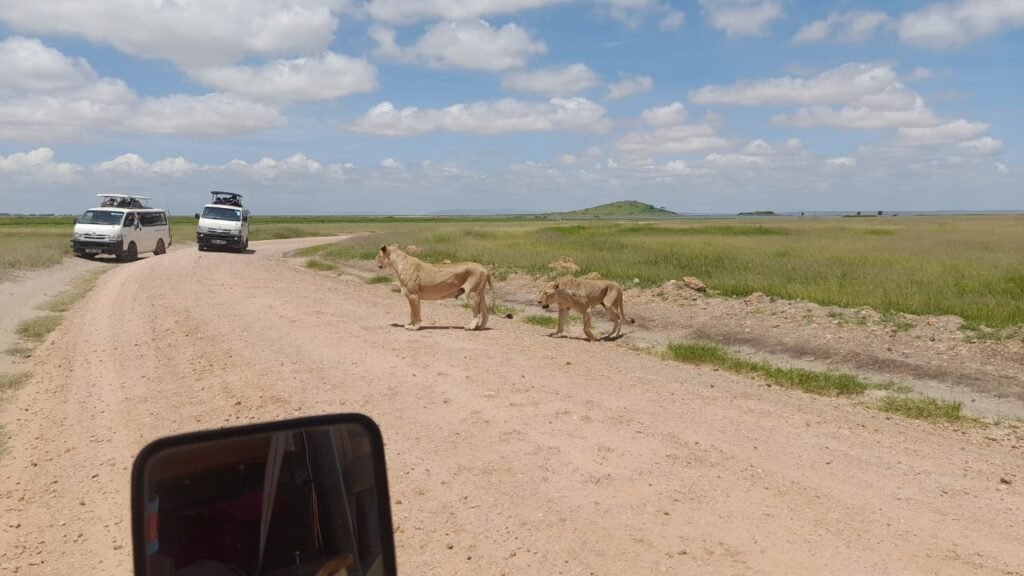
- Lions and other predators moving through the ecosystem.
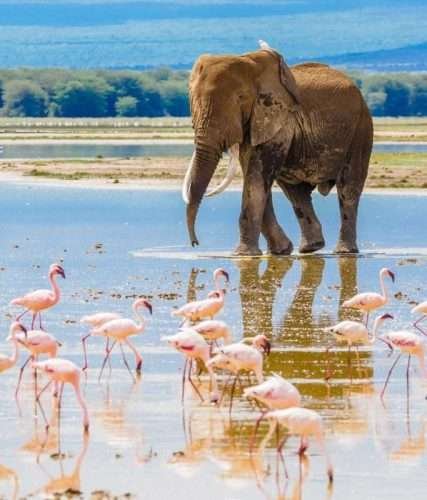
- Waterbirds and other species responding to seasonal conditions.
However, there is no guaranteed wildlife checklist for a particular month. Animals are free-roaming, and sightings depend on many factors beyond rainfall.
When Is the Best Time to See Mount Kilimanjaro from Amboseli?
Mount Kilimanjaro is one of the most recognisable features of the Amboseli landscape.
The mountain is located across the border in Tanzania, but its imposing summit can be seen from parts of Amboseli when conditions are clear.
Early mornings often provide good opportunities for viewing the mountain before clouds build around its upper slopes.
For photographers, an early game drive can offer attractive light and a chance to capture wildlife against the mountain.
Does the dry season guarantee clear Kilimanjaro views?
No.
Cloud cover, humidity and changing weather conditions can obscure the mountain even during generally dry months.
The best approach is to plan for an early morning opportunity while remembering that visibility is never guaranteed.
If photographing elephants with Mount Kilimanjaro is your main priority, tell your guide when planning your safari.
What Is the Best Time of Day for Game Drives?
When you have only two days in Amboseli, the timing of your game drives matters.
Early Morning Game Drives
Early morning drives can offer:
- Cooler temperatures.
- Attractive light for photography.
- Opportunities to observe animals as they begin their daily activities.
- Potentially favourable conditions for viewing Mount Kilimanjaro.
Late Afternoon Game Drives
Afternoon drives offer a different atmosphere.
As temperatures begin to change, visitors can explore the park’s landscapes and look for animals moving between feeding and resting areas.
The late afternoon light can also create beautiful photographic opportunities.
A typical two-day itinerary may include an afternoon game drive on the first day and an early morning game drive on the second day. The actual schedule depends on arrival time, park arrangements and the accommodation location.
Is Two Days Enough in Amboseli During the Rainy Season?
Yes, a two-day visit can still be worthwhile during the rainy season, provided you understand the possible travel and weather limitations.
However, a short itinerary gives you less flexibility if heavy rainfall affects the roads or your game-drive schedule.
If your dates fall within the long rains, consider:
- Allowing enough time for the journey from Nairobi.
- Confirming the vehicle is suitable for the expected conditions.
- Checking whether your chosen accommodation is accessible.
- Asking about the planned game-drive schedule.
- Monitoring weather information close to your departure date.
If your main objective is photography and you want more time to adapt to changing conditions, consider extending your stay to two or three nights.
What Is the Best Month for a 2-Day Amboseli Safari?
Rather than choosing one universally best month, consider your priorities.
| Your priority | Period worth considering |
|---|---|
| Generally drier conditions | June–October and January–February |
| Wildlife photography | Drier periods, with early morning drives |
| Greener landscapes | November–May, depending on rainfall |
| Birdwatching | Seasonal periods when water and food availability attract birds |
| Festive holiday safari | December, subject to availability |
| A quieter travel experience | Consider less busy dates outside major holiday periods |
These recommendations are planning guidance, not promises of wildlife sightings, weather or mountain visibility.
How Much Does a 2-Day Amboseli Safari Cost?
The cost of your safari can change according to the time of year, accommodation availability, group size and package inclusions.
Peak holiday periods may have different accommodation rates and availability compared with quieter travel periods.
Annest Kenya Safaris advertises its 2-day, 1-night Amboseli safari from USD 530 per person.
Your final quotation should confirm:
- The applicable price for your group size.
- The accommodation property and category.
- Park entry fees.
- Transport arrangements.
- Meals and drinking water.
- Game drives and guide services.
- Any additional charges or exclusions.
For itinerary details and a personalised quotation, explore our 2-day Amboseli safari from Nairobi.
How to Choose the Right Dates for Your Amboseli Safari
Before confirming your trip, think about what matters most to you.
If you are interested in elephants and general wildlife viewing, the drier months are popular choices.
If you enjoy green landscapes, seasonal birdlife and changing scenery, consider the rainy periods.
If you are travelling during a busy holiday period, accommodation availability may be a more important consideration than choosing a particular month.
For a short safari, also think about your departure time from Nairobi. An early departure and well-coordinated arrival can help preserve valuable time for game viewing.
Plan Your 2-Day Amboseli Safari with Annest Kenya Safaris
Amboseli offers something different throughout the year.
You can experience its elephant country, open grasslands, permanent wetlands and remarkable views towards Mount Kilimanjaro in different seasonal conditions.
Our 2-day, 1-night Amboseli safari starts from USD 530 per person.
Share your preferred dates, number of travellers and accommodation preference with Annest Kenya Safaris. We can help you confirm availability, suitable travel arrangements and the final package price.
Explore the 2-Day Amboseli Safari from Nairobi.
Request a personalised quotation:
https://annestkenyasafaris.com/contact/
Frequently Asked Questions
What is the best month to visit Amboseli National Park?
There is no single best month for every traveller. June to October and January to February are popular for generally drier conditions, while the greener months offer different landscapes and seasonal birdlife.
Is Amboseli worth visiting during the rainy season?
Yes. The rainy season can bring greener scenery, changing wetland conditions and opportunities for birdwatching. However, rainfall may affect road conditions and travel schedules.
Can I see elephants in Amboseli throughout the year?
Elephants are an important feature of Amboseli’s wildlife and are present throughout the year. However, individual sightings and locations cannot be guaranteed.
When is Mount Kilimanjaro most visible from Amboseli?
Early mornings can provide good opportunities to see Mount Kilimanjaro when the weather is clear. Cloud cover can obscure the summit at any time of year.
Is June to October a good time for a two-day Amboseli safari?
Yes. These months are generally drier and popular for wildlife viewing and photography. It is also advisable to arrange accommodation early during busy travel periods.
Is January a good month to visit Amboseli?
January generally falls within a shorter dry period and can be a good time to visit. Weather conditions can still vary, so check the outlook close to your travel dates.
Can I visit Amboseli in April or May?
Yes. April and May generally fall within the long-rain season. Expect potentially greener scenery, but allow for changing road conditions and possible disruption to travel or game drives.
How many days should I spend in Amboseli?
Two days and one night can provide a useful introduction to the park. Three days or longer offers more time for additional game drives, photography and a more relaxed schedule.
What should I pack for Amboseli during the rainy season?
Pack comfortable safari clothing, a waterproof jacket, suitable footwear, sun protection, binoculars and a camera. Check the weather forecast before departure and ask your operator about any additional recommendations.
Does the season affect the cost of an Amboseli safari?
Yes. Accommodation demand and availability can change throughout the year, particularly during major holidays and popular safari periods. Request a quotation for your exact dates to confirm the applicable price.

1 Comment
What Animals Can You See on a 2 Days Amboseli Safari?
10/30/2026 at 9:04 am[…] our guide to the best time for a 2-day Amboseli safari before choosing your […]
Comments are closed.