

What Animals Can You See on a 2-Day Amboseli Safari?
An elephant herd moves slowly across the open plains. A zebra lifts its head from the grass. Somewhere beyond the wetlands, a lion may be resting in the shade.
This is the wildlife experience that draws visitors to Amboseli National Park in southern Kenya.
Amboseli is particularly famous for its African elephants, but its wildlife story extends well beyond them. The park’s open grasslands, acacia woodland, seasonal lake basin and permanent wetlands support a variety of mammals and birdlife.
If you are planning a 2-day Amboseli safari from Nairobi, you may be wondering which animals you could encounter and whether two days provide enough time to experience the park.
Here is a practical guide to the wildlife you may see, where different animals are found and what to expect during a short safari.
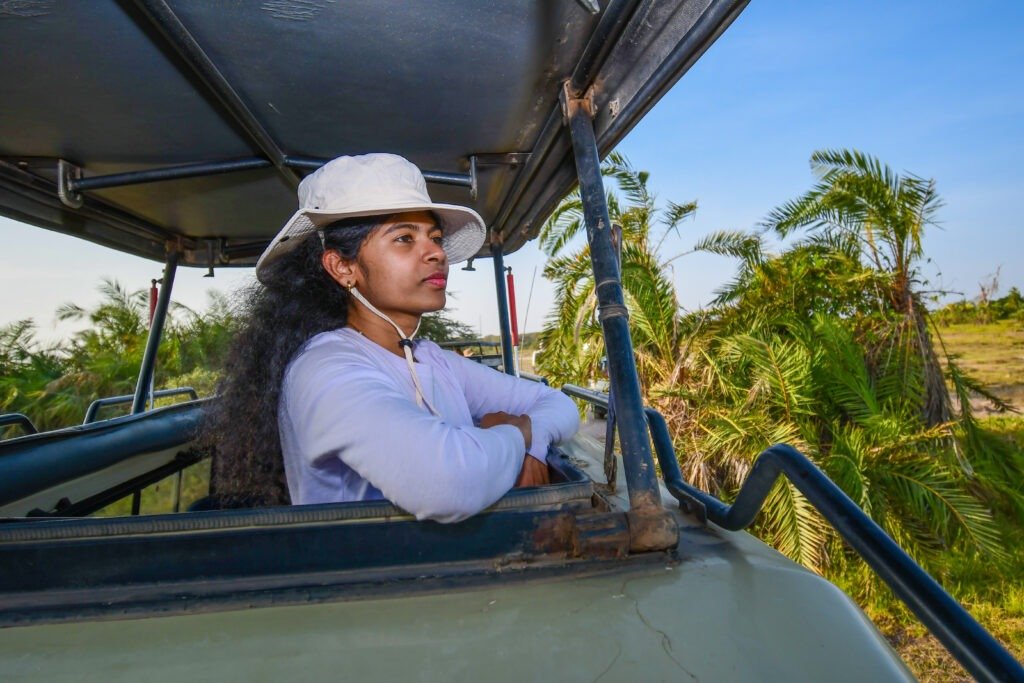
Why Is Amboseli National Park Special for Wildlife Viewing?
Amboseli’s wildlife experience is closely connected to its unusual landscape.
The park includes open grass plains, acacia woodland, thorn bush, swamps and marshes. These habitats support different species and provide important feeding and watering areas.
The wetlands are especially significant. Water associated with Mount Kilimanjaro’s underground catchment supports permanent swamps within an otherwise dry landscape.
This contrast between open plains and green wetland areas gives Amboseli much of its wildlife character.
According to the Kenya Wildlife Service, Amboseli is also one of Kenya’s Important Bird Areas, with more than 400 recorded bird species.
For visitors, this means that a game drive is not only about looking for large mammals. It is also an opportunity to observe animal behaviour, birdlife and the relationship between wildlife and the surrounding environment.
1. African Elephants: The Main Wildlife Attraction
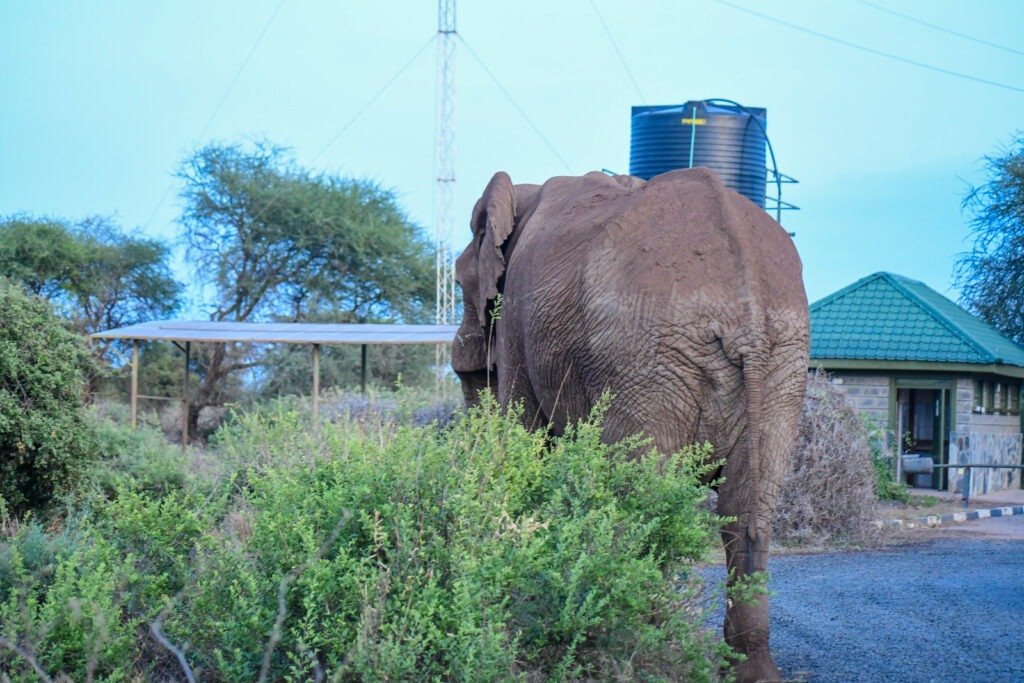
Elephants are the animals most closely associated with Amboseli.
The park is internationally recognised for its elephant population and long-running elephant research. Its open landscape can offer excellent opportunities to observe elephant family groups, individual bulls and interactions between members of a herd.
During your game drives, you may see elephants:
- Walking across the open plains.
- Feeding on grasses and other vegetation.
- Moving between different habitats.
- Gathering around wetland areas.
- Interacting with calves and other family members.
One of the most memorable experiences is watching elephants move through the landscape with Mount Kilimanjaro in the distance when the mountain is visible.
Amboseli’s elephants are also important beyond tourism. Long-term research has helped scientists understand elephant family structures, behaviour, movements and conservation challenges.
Their survival depends on more than the national park boundary. Wildlife corridors and surrounding community lands are important to the wider Amboseli ecosystem.
For a deeper look at their behaviour, conservation and history, read our dedicated guide to the elephants of Amboseli National Park.
2. Lions: The Predators of Amboseli
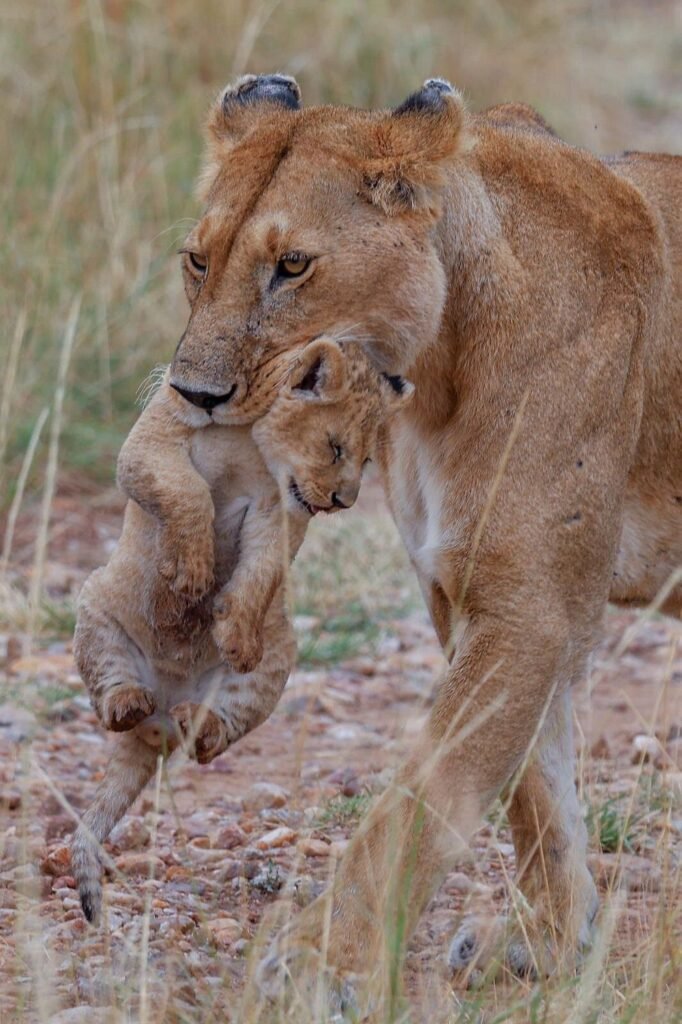
Lions are among the predators visitors may encounter in Amboseli.
They use different habitats across the park and surrounding ecosystem, including open grasslands and areas where vegetation offers shade and cover.
During a game drive, you may find lions resting, moving through the grass or interacting with members of their pride.
Early morning and late afternoon drives can provide useful opportunities to observe predator behaviour, although lions may also be resting during the heat of the day.
A lion sighting is never guaranteed. Their movements and locations change, and a short visit may not provide enough time to locate every predator in the park.
3. Cheetahs: Built for the Open Plains
Cheetahs are another predator found in the Amboseli ecosystem.
Their hunting style is associated with open terrain, where they can use speed and visibility when pursuing prey.
Unlike lions, cheetahs are generally solitary or found in small family groups. Their behaviour and locations vary, and they can be difficult to find during a short visit.
If you encounter a cheetah, observe it quietly and allow your guide to maintain an appropriate viewing distance.
Patience and responsible wildlife viewing are more important than trying to approach an animal for a photograph.
4. Hyenas and Jackals
Amboseli’s predator community also includes spotted hyenas and jackals.
Hyenas are adaptable animals that play an important ecological role. They hunt as well as scavenge, helping remove carcasses from the environment.
Jackals are smaller carnivores that may be seen moving through open country or around areas where food is available.
They are interesting animals to observe because their behaviour is quite different from that of the larger cats.
5. African Buffalo
African buffalo are among the large herbivores found in Amboseli.
They may be seen grazing in open areas or near wetland habitats, sometimes in groups.
Their heavy build, curved horns and dark coats make them easy to distinguish from other large mammals.
Buffalo are powerful wild animals and should always be observed from a safe distance. Never attempt to approach them on foot or leave your safari vehicle outside designated areas.
6. Zebras and Wildebeest
Zebras and wildebeest are important members of Amboseli’s plains wildlife community.
Zebras are recognisable by their black-and-white stripes and are often seen grazing in open grassland.
Wildebeest may be found feeding in suitable grassland areas, sometimes alongside other herbivores.
These animals are important to the wider ecosystem because they form part of the grazing community and provide prey for large carnivores.
Their movements and distribution change with rainfall, pasture availability and other seasonal conditions.
7. Giraffes
Giraffes bring a different character to Amboseli’s wildlife viewing.
They browse on leaves and shoots, often using their long necks to reach vegetation beyond the reach of shorter animals.
Look for them around suitable woodland and bushland habitats.
A giraffe moving through acacia trees can be particularly striking, especially when photographed against the open Amboseli landscape.
8. Gazelles and Other Antelopes
Amboseli supports several antelope species, including Grant’s gazelles and Thomson’s gazelles.
These smaller herbivores are often seen feeding in open grassland.
Other species found within the wider Amboseli ecosystem include impala, eland, gerenuk and lesser kudu.
Antelopes are worth paying attention to during game drives. Their behaviour can also provide clues about the presence of predators nearby.
9. Hippos and Wetland Wildlife
Amboseli’s permanent swamps and wetland habitats support wildlife that depends on water.
Hippos may be encountered in suitable wetland areas. Their presence is a reminder that Amboseli is not simply a dry savannah landscape.
The swamps also attract a variety of waterbirds and other wetland species.
Visitors should not approach hippos or attempt to leave the vehicle near water unless in an officially designated area with appropriate supervision.
10. Birdlife: More Than 400 Recorded Species
Amboseli is also an important destination for birdwatchers.
The Kenya Wildlife Service records more than 400 bird species in the park, including numerous birds of prey.
The range of habitats supports different types of birds, from waterbirds around the wetlands to raptors and other species in open country.
Birds you may encounter include:
- African fish eagles.
- Grey crowned cranes.
- Pelicans.
- Herons.
- Egrets.
- Ostriches.
- Various eagles, vultures and other birds of prey.
Seasonal water conditions can influence the birds present in different parts of the park. Lake Amboseli, for example, can flood during periods of heavy rainfall and attract waterbirds, including flamingos.
Even if you are primarily interested in large mammals, take time to notice the birds around the swamps and open plains.
What Animals Can You Realistically See in Two Days?
A 2-day Amboseli safari can introduce you to several different wildlife groups, but it is important to distinguish between animals that are well known in the park and animals you are likely to encounter on your particular visit.
| Wildlife | What to know |
|---|---|
| Elephants | One of Amboseli’s signature attractions |
| Zebras | Common members of the open-plains wildlife community |
| Wildebeest | Found in suitable grassland habitats |
| Giraffes | May be encountered around woodland and bushland |
| Buffalo | Found in the park’s wider habitat system |
| Lions | Present, but sightings vary |
| Cheetahs | Present in the ecosystem, but not guaranteed |
| Hyenas and jackals | May be encountered during game drives |
| Hippos | Associated with suitable wetland areas |
| Birds | More than 400 species recorded by KWS |
The animals you encounter depend on the season, habitat conditions, time of day, animal movements and the locations visited during your game drives.
A good safari is not measured by the number of species ticked off a list. Watching an elephant family interact, observing a bird hunting or seeing a predator move through the grass can be just as memorable.
How Many Game Drives Can You Have on a 2-Day Amboseli Safari?
A typical two-day itinerary from Nairobi may include:
Day 1: Afternoon Game Drive
After travelling from Nairobi and completing park entry and accommodation arrangements, you may have an afternoon game drive depending on your arrival time.
This is an opportunity to begin exploring the park’s open plains and wetland areas.
Day 2: Early Morning Game Drive
An early morning drive provides another opportunity to explore the park before returning to Nairobi.
Morning light can also be useful for photography, particularly when the weather allows Mount Kilimanjaro to become visible.
The actual number, length and timing of game drives depend on the agreed itinerary. Confirm the schedule with your safari operator before booking.
If you want more time to explore and photograph wildlife, consider a three-day Amboseli safari.
Can You See Mount Kilimanjaro and Wildlife Together?
Yes. One of the most recognisable images associated with Amboseli is an elephant walking across the plains with Mount Kilimanjaro in the background.
The mountain is in neighbouring Tanzania, but Amboseli provides a well-known viewpoint towards its snow-capped summit.
Visibility depends on weather and cloud cover. Early mornings can provide good viewing opportunities, but there is no guaranteed month or time when the mountain will always be clear.
For more information about the mountain and the best viewing opportunities, explore our Mount Kilimanjaro views from Amboseli guide.
How Does the Season Affect Wildlife Viewing?
Amboseli is a year-round safari destination, but the landscape and wildlife distribution change with seasonal conditions.
During drier periods, animals may concentrate around available water and grazing areas. After rainfall, vegetation and water become more widely available, and some wildlife disperses into surrounding areas.
This is one reason why the same game drive can feel different at different times of the year.
Rather than assuming that every species will be easier to find in a particular month, plan around your travel dates and understand the conditions you may encounter.
Read our guide to the best time for a 2-day Amboseli safari before choosing your dates.
How to Enjoy Wildlife Responsibly in Amboseli
Wildlife viewing should always respect the animals and their habitat.
During your safari:
- Remain inside the vehicle unless you are in a designated area where leaving is permitted.
- Keep a respectful distance from wildlife.
- Never feed wild animals.
- Avoid loud noises and sudden movements.
- Do not pressure your driver-guide to approach animals for photographs.
- Stay on authorised roads and tracks.
- Follow your guide’s instructions and Kenya Wildlife Service regulations.
Responsible wildlife viewing helps protect the animals and contributes to a better experience for everyone.
Amboseli’s wildlife also depends on the wider ecosystem, including the lands and communities surrounding the park. Conservation is therefore about protecting wildlife and the landscapes that allow it to move, feed and survive.
Experience Amboseli Wildlife on a 2-Day Safari
If you have limited time in Kenya but want to experience Amboseli’s elephant country, open plains and wetland habitats, a two-day safari can be a rewarding introduction.
The experience may include elephant encounters, opportunities to look for predators, birdwatching and views towards Mount Kilimanjaro when conditions allow.
Annest Kenya Safaris offers a 2-day, 1-night Amboseli safari from USD 530 per person. The final quotation depends on your group size, travel dates, accommodation preference and confirmed package inclusions.
Explore the 2-Day Amboseli Safari from Nairobi and ask us to plan your wildlife experience.
Request a personalised quotation:
https://annestkenyasafaris.com/contact/
Frequently Asked Questions
What is Amboseli National Park famous for?
Amboseli is especially famous for its African elephants, open plains, wetlands and views towards Mount Kilimanjaro. It is also an important birdwatching destination, with more than 400 recorded bird species.
Can I see lions in Amboseli National Park?
Yes. Lions are present in Amboseli and the surrounding ecosystem. However, sightings depend on their movements, habitat conditions and the time spent exploring the park.
Are cheetahs found in Amboseli?
Yes. Cheetahs are found in the Amboseli ecosystem, although they are not guaranteed sightings. Their open-country hunting behaviour makes them interesting animals to look for during game drives.
Can I see rhinos in Amboseli National Park?
Amboseli is not a destination to choose primarily for rhino viewing. If seeing black or white rhinos is a priority, ask about a safari to a dedicated rhino conservation destination such as Ol Pejeta Conservancy or Lake Nakuru National Park.
How many bird species are found in Amboseli?
The Kenya Wildlife Service records more than 400 bird species in Amboseli National Park. The park’s wetlands, grasslands and woodland habitats support a variety of resident and migratory birds.
Can I see elephants during a 2-day Amboseli safari?
Amboseli is particularly well known for its elephants, making them one of the main wildlife highlights of a short visit. However, no specific animal sighting can be guaranteed.
What is the best time for wildlife viewing in Amboseli?
Amboseli can be visited throughout the year. Wildlife distribution changes with rainfall, water availability and vegetation conditions. Your safari operator can help you plan around your travel dates and interests.
Is two days enough to see Amboseli’s wildlife?
Two days provide an introduction to the park and opportunities for game drives on the arrival and departure days. A longer stay gives you additional time to explore different habitats and look for wildlife at a more relaxed pace.


