
Best Time to Visit Masai Mara 2026 — Month-by-Month Safari Guide | Annest Kenya Safaris
If there is one wildlife destination that lives up to every expectation — and then exceeds it — it is Kenya’s Masai Mara National Reserve. This 1,510 sq km wilderness is home to the densest concentration of large predators on Earth, and twice a year becomes the stage for the greatest wildlife spectacle our planet produces: the Great Wildebeest Migration.
But here is what our guides tell every guest before their safari: the Masai Mara is extraordinary in every single month of the year. What changes is the experience — the light, the crowds, the price and the specific wildlife encounters. This guide, written by our expert team with over 60 combined years in the Mara, tells you exactly what to expect in every month of 2026.
The Great Migration 2026 — Where Are the Wildebeest?
Around 1.5 million wildebeest, 200,000 zebra and 350,000 Thomson’s gazelle follow the rains in a continuous clockwise circuit between Tanzania’s Serengeti and Kenya’s Masai Mara — the greatest wildlife spectacle on Earth. The exact timing varies each year with rainfall, but here is the 2026 pattern to plan around.
January to May — Herds are in Tanzania’s Serengeti for calving season. Masai Mara wildlife is outstanding but no migration.
June — Herds begin moving north. Late June may see the first scouts entering the Mara.
July — First major herds arrive. River crossing season begins.
August to September — Peak crossing season. Hundreds of thousands of wildebeest cross daily. This is the greatest show on Earth.
October — Herds retreat south. Still dramatic, far fewer tourists, noticeably lower prices.
November to December — Herds return to Serengeti. Resident wildlife remains excellent.
Expert tip from our guides: The migration is not one single event — it is a continuous process. In years of good rainfall, herds can arrive in the Mara as early as late June. In dry years they may not cross until mid-August. Book with flexible dates if possible and our team will advise you based on the latest ground reports right up to your departure.
Month-by-Month Guide to Masai Mara 2026
January & February — Excellent Big Five Viewing ★★★★
Hot and dry with outstanding visibility. Short grass makes predators easy to spot — lion and cheetah sightings are particularly good. Large resident herds of buffalo, elephant and giraffe are plentiful. No migration, but rarely a disappointing safari day. Fewer tourists than peak season make this one of our recommended windows for first-time visitors. Price level: mid-range ($$).
March — The Hidden Gem Month ★★★½
The long rains begin building in March, bringing lush green landscapes and dramatic afternoon light for photography. Wildlife remains excellent and lodge rates start dropping. An underrated month that many experienced safari-goers quietly prefer. Best for photography and value. Price level: shoulder ($–$$).
April & May — Green Season Value ★★★
The Mara is at its most lush and dramatic. Heavy afternoon showers but mornings often perfectly clear. Lodge rates are at their lowest — 30 to 50 per cent off peak prices. Ideal for budget-conscious travellers and photographers seeking dramatic skies and green landscapes. Far fewer vehicles in the park. Price level: low season ($).
June — Anticipation Builds ★★★★
The rains clear and the Mara transforms. Grass begins to thin — predators become easier to spot. The wildebeest herds are on the move from the Serengeti and in late June the first scouts may begin crossing into the Mara. An exciting time to be in the reserve as the atmosphere builds. Price level: rising ($$$).
July — Migration Begins ★★★★★ Outstanding
The Masai Mara at its most electric. The first major herds arrive from the Serengeti and the tension builds towards the first Mara River crossings — thousands of wildebeest pacing the bank, crocodiles waiting, lions hunting in packs. This is the Africa of documentaries, and it is real. Book at least six months ahead. Price level: peak ($$$$).
August & September — Peak Migration ★★★★★ The Greatest Show on Earth
River crossings happen multiple times daily — thousands of wildebeest plunging into crocodile-filled waters while lions hunt the banks. Highest prices, most visitors, but nothing on this planet compares to witnessing it in person. Our guides say that even after 15 years, they still feel a rush every time the crossing begins. Book 6 to 12 months in advance. Price level: highest ($$$$).
October — The Underrated Gem ★★★★½
The wildebeest begin retreating south, often crossing the Mara River southbound in equally dramatic fashion. Predator activity remains very high. Far fewer tourists than August and September, prices drop noticeably. Many of our most experienced repeat guests specifically choose October — it delivers nearly everything August does at significantly lower cost. Price level: dropping ($$$).
November & December — Lush and Magical ★★★★
November brings light short rains and the Mara turns lush and green. December is beautiful — emerald landscapes, dramatic skies, resident wildlife abundant. Lion prides, elephant families, leopards and cheetahs all reliably present. Christmas in the Mara carries a genuinely magical atmosphere. Price level: low to mid ($$).
What to Expect: Weather, Wildlife & Practical Tips
Weather in Masai Mara
The Masai Mara sits at 1,500 to 2,000 metres altitude — temperatures are pleasantly mild year-round, never the oppressive heat of the coast. Days reach 25–30°C and nights drop to 12–15°C. A fleece or light jacket is essential for early morning game drives even in peak season.
Dry season (June–October, January–March): Sunny mornings, mild afternoons. Excellent visibility. Occasional evening clouds but rarely affecting game drives.
Long rains (April–May): Heavy afternoon showers, mornings usually clear. Lush dramatic landscapes ideal for photography. 4WD essential on muddy tracks.
Short rains (November): Shorter, lighter showers clearing quickly. Landscape turns green and wildlife is plentiful.
Wildlife Beyond the Migration
One of the most common misconceptions is that the Masai Mara is only worth visiting during the Great Migration. Our guides will tell you plainly: the Mara’s resident wildlife is exceptional every single month of the year.
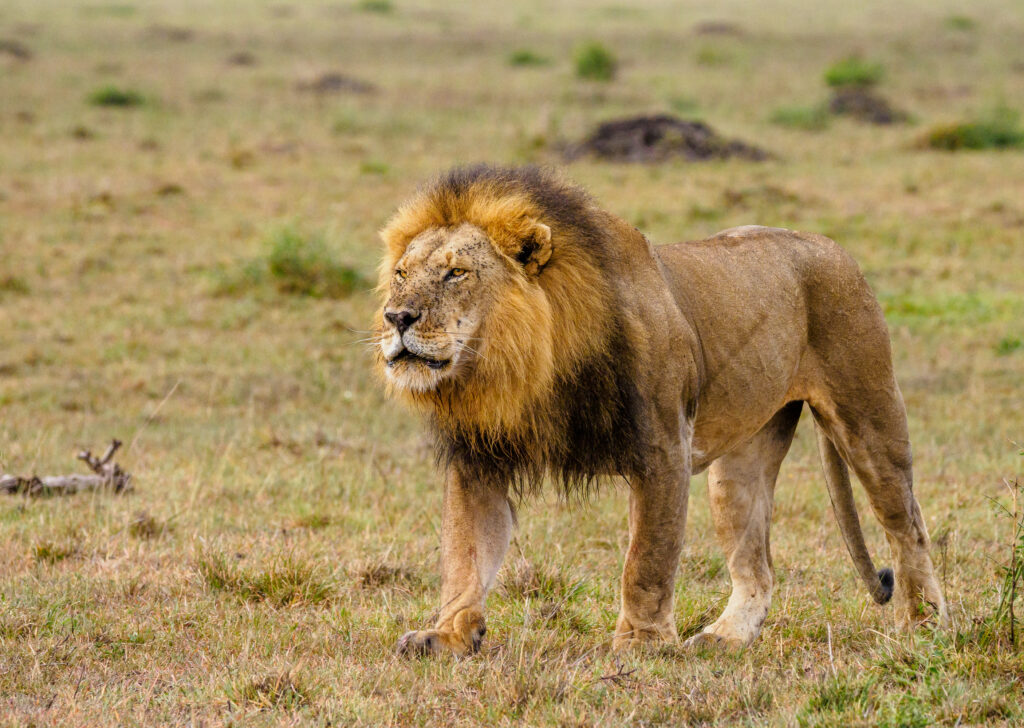
Lions — One of the highest densities in Africa. Multiple large prides with cubs are resident year-round.
Leopards — The Mara’s riverine forests hold a healthy leopard population. Early morning drives yield the best sightings.
Cheetahs — The open Mara plains are perfect cheetah habitat. January to March is especially good on short grass.
Elephants — Large resident herds, often seen at the Mara River and nearby conservancies. Year-round.
Hippos — Enormous hippo pods in the Mara River pools. Spectacular at sunset. Year-round.
Rhino — A small but growing black rhino population in the Mara Triangle. A genuine rarity to spot.
Birds — Over 450 species recorded. Outstanding year-round birdwatching for enthusiasts.
Insider Tips From Our Masai Mara Guides
Arrive before 6:30am for game drives. The first hour after sunrise is when predators are most active — most tourist vehicles arrive after 7am, so be ahead of them.
Stay in the Mara Triangle for river crossings. The western sector has the most dramatic crossing points and fewer vehicles than the main reserve.
Three nights is the sweet spot. Two nights gives you four game drives. Three nights gives you six — and statistically one of those will produce something truly extraordinary.
Ask your guide about specific prides and individuals. Our guides know animals by name and personality. This knowledge transforms a safari from excellent to unforgettable.
Book a hot air balloon for sunrise. The Mara from 300 metres above at dawn, with the light turning the grass gold, is one of the most extraordinary experiences in Africa.
Do not ignore the small things. Dung beetles, mongoose families, 450-plus bird species — the magic is in every detail, not just the big cats.
Ready to Plan Your Masai Mara Safari?
Tell us your dates and we will build a custom itinerary around the best wildlife conditions for your visit — free, within 2 hours.
Or WhatsApp us: +254 112 458 884 · We reply in under 30 minutes