
Nairobi National Park Half-Day vs Full-Day Safari: Which Is Right for You?
Quick answer — if you’re in a hurry
For most visitors — especially those on a Nairobi layover, business trip or with a single free day — the half-day safari (4–5 hours) delivers 90% of the experience at 60% of the cost. A full-day is only the smarter choice if you want a very relaxed pace, a picnic inside the park, or are combining the park with the David Sheldrick Elephant Orphanage (which opens at 11 AM).
What the half-day Nairobi National Park tour covers
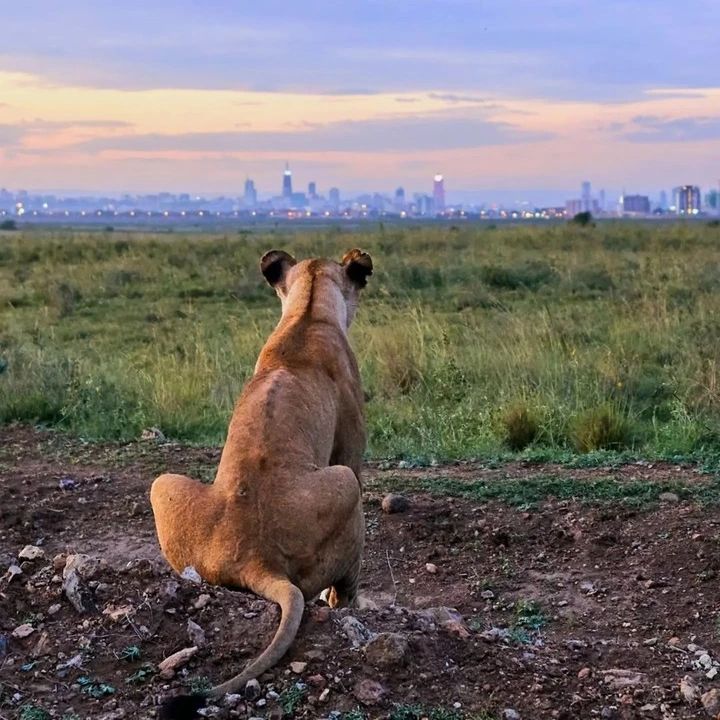
A half-day Nairobi National Park safari runs for 4–5 hours. You choose a morning slot (6:00 AM – 11:00 AM) or an afternoon slot (2:00 PM – 6:00 PM). In that window, an experienced guide covers all the major wildlife zones inside the park’s compact 117 km².
This is the key difference from larger parks like Masai Mara or Tsavo — where driving between wildlife hotspots can consume hours of your day. In Nairobi National Park, a skilled guide covers every major habitat zone in 4 hours without rushing:
- The central plains and dam area — best for lions and large mammal herds
- The Kifaru Ark rhino sanctuary corridor — Kenya’s highest black rhino density
- The Athi River hippo pools and crocodile viewpoints
- The Ivory Burning Monument — Kenya’s most powerful conservation landmark
- Acacia woodland — for giraffes, leopards and 400+ bird species
Park context
Nairobi National Park is only 117 km² — for comparison, Masai Mara is 1,510 km² and Tsavo is 21,000 km². Its compact size is a genuine advantage for short-stay visitors: you see more wildlife per hour here than in parks where animals are spread across vast distances.
What a full-day Nairobi National Park tour adds
A full-day safari extends your time in the park to 7–9 hours, typically from 6 AM to 3 PM or 7 AM to 4 PM. The extra time genuinely adds value in specific situations:
- A more relaxed pace — you can spend longer at each sighting, wait for a lion kill to develop, or follow a cheetah hunt to its conclusion without feeling time-pressured
- Picnic lunch inside the park — the designated picnic sites are excellent. Watching hippos from the riverbank while eating lunch is a uniquely memorable experience
- Walking trails — short guided walks are available in specific areas of the park on full-day visits
- Better odds on elusive cats — leopard and cheetah sightings benefit meaningfully from more time in the field
- Seamless Elephant Orphanage combination — the David Sheldrick orphanage opens at exactly 11 AM, which falls naturally at the end of a morning full-day safari
The diminishing returns problem
Wildlife activity in Nairobi National Park follows a clear daily pattern. Predators are most active at dawn (6–9 AM). Rhinos peak at water sources in the mid-afternoon (3–5 PM). The midday window (11 AM–2 PM) is the quietest period for large mammal activity — which is exactly the time a full-day adds to your experience. A well-timed half-day often outperforms a poorly-timed full-day on sighting count.
Head-to-head comparison
| Factor | Half-Day (4–5 hrs) | Full-Day (7–9 hrs) |
|---|---|---|
| Duration | 4–5 hours | 7–9 hours |
| Price per vehicle | From $95 | From $160 |
| Park coverage | All major zones | All zones + walks |
| Big Five odds | 4/5 (no elephants) | 4/5 (same) |
| Lion sighting rate | ~80% (morning) | ~85% |
| Rhino sighting rate | ~85% | ~90% |
| Leopard sighting rate | ~20% | ~28% |
| Midday quiet window | Avoided | Included (lower activity) |
| Picnic in park | No | Yes |
| Walking trails | No | Yes (select areas) |
| Elephant Orphanage add-on | Optional (timing works) | Perfect timing (11 AM) |
| Ideal for layovers | Yes — purpose-built | Too long for most layovers |
| Physical fatigue | Low | Moderate (heat builds) |
| Value per $ spent | Exceptional | Good |
“In 12 years of guiding in Nairobi National Park, I’ve led thousands of both half-day and full-day tours. The guests who get the best wildlife sightings aren’t always the ones who stayed longest — they’re the ones who timed their drive to the park’s activity peaks.”
— James M., Lead Guide, Annest Kenya Safaris (12 years in Nairobi National Park)
Wildlife sighting rates: half-day vs full-day
The numbers below are based on guide logs across 2,000+ Annest Kenya Safaris tours, comparing morning half-day drives (6–11 AM) against full-day drives (6 AM–3 PM) during the dry season peak (June–October).
Lion
Half-day
80%
Full-day
85%
Black Rhino
Half-day
85%
Full-day
90%
Giraffe
Half-day
99%
Full-day
99%
Leopard
Half-day
22%
Full-day
28%
Cheetah
Half-day
28%
Full-day
36%
Hippo
Half-day
98%
Full-day
98%
The sighting data reveals a clear pattern: for the most iconic species (lion, rhino, giraffe, hippo), the half-day tour delivers comparable results. The only meaningful difference is for elusive cats — leopard and cheetah — where the extra hours of a full-day provide a modest improvement. Neither rate is guaranteed on either option.
Who should book the half-day safari?
✓ Book the half-day if you are…
- On a Nairobi layover at JKIA — with 5–8 hours between flights, a half-day safari is the only viable option. It delivers brilliantly within that window. The park is 7 km from JKIA — 15 minutes by road.
- A business traveller — fits within a morning before afternoon meetings, or an afternoon slot before an evening departure. No full day lost to travel.
- A first-time safari visitor — 4–5 hours is energising without overwhelming. You’ll leave wanting more, which is exactly the right feeling.
- Budget-conscious — at 60% of the full-day cost, the half-day safari delivers 90% of the experience. The best value safari in Kenya by any measure.
- Combining with Nairobi city activities — morning safari leaves your entire afternoon free for restaurants, the Giraffe Centre, Karen Blixen Museum or city exploration.
- Travelling with very young children — 3–4 hours is the ideal attention window for children under 5. The morning safari + Elephant Orphanage combination works perfectly.
Who should book the full-day safari?
✓ Book the full-day if you are…
- A dedicated wildlife photographer who wants maximum time in the field for composition, light conditions and patience-dependent sightings
- Specifically hoping to see leopard or cheetah — the extra hours provide a statistically meaningful improvement for these elusive cats
- A family wanting the picnic experience — eating lunch inside the park at the hippo pools is genuinely memorable, especially for older children
- Someone who intensely dislikes feeling time-pressured — if the idea of a structured 4-hour window creates anxiety, the full-day’s relaxed pace may suit you better
- A birding enthusiast — the full-day captures both the dawn chorus and the afternoon bird activity, covering more species across both windows
Our honest recommendation
What we actually recommend after 3,000+ tours
Book the morning half-day safari — then add the Elephant Orphanage
Book the half-day morning safari (6 AM – 11 AM) and add the David Sheldrick Elephant Orphanage as an optional extension at 11 AM. You get the peak wildlife window with golden-hour photography, the emotional highlight of watching rescued baby elephants — and you’re done by noon with the rest of the day free.
This combination outperforms a standard full-day safari in almost every metric: lower cost, two distinct experiences, peak wildlife windows for both activities, and no midday lull. It is, in our honest opinion, the single best value wildlife day available in Nairobi.
Start planning
Book your private Nairobi National Park half-day safari
Safari Van from $95 · Land Cruiser from $145
Morning and afternoon slots available daily, year-round
Book Instantly — Confirm in 60 Seconds WhatsApp a Safari Expert
Free cancellation 24h before100% private vehicleInstant confirmation 50+ verified reviews
Frequently asked questions
Yes — emphatically. Nairobi National Park is only 117 km² and a skilled, experienced guide covers all major wildlife zones in 4–5 hours. Unlike Masai Mara or Amboseli, there are no long transit drives between wildlife areas. Sighting density per hour in Nairobi National Park exceeds most larger Kenyan parks precisely because of this compactness. Our data from 2,000+ tours shows that morning half-day drives (6–11 AM) capture lion sightings at 80%, rhino at 85%, and giraffe at 99% — comparable to full-day results for the most sought-after species.
The half-day safari starts from $95 per vehicle (Safari Van, up to 4 passengers) or $145 for a 4×4 Land Cruiser Jeep — these are per-vehicle rates, not per person. For a couple sharing a Safari Van, total cost is approximately $181. The full-day safari starts from $160 per vehicle with the same park entry fees applying. Our All-Inclusive package ($228/vehicle) covers both the vehicle and park entry for up to 4 passengers.
Yes — if your schedule allows on the day, let your guide know before you enter the park and they can plan the route accordingly. Full-day pricing will apply to the additional time. We recommend deciding in advance at booking, so your guide can plan the optimal route and ensure the vehicle’s provisions (water, snacks) are prepared for a longer drive. Last-minute extensions are accommodated where possible, but cannot always be guaranteed.
The only meaningful differences are: a slightly reduced chance of leopard and cheetah sightings (neither is guaranteed on any tour length), and you won’t picnic inside the park. All major wildlife zones — the lion plains, rhino sanctuary, hippo pools and Ivory Burning Monument — are covered in 4–5 hours. For first-time safari visitors, the half-day delivers the complete Nairobi National Park experience. Nothing essential is missed.
For families with children under 8, the half-day morning safari is almost always better. Young children have a natural attention and energy window of 3–4 hours, which aligns perfectly with the 4-hour morning drive. The morning safari (6–11 AM) also captures the coolest part of the day, when children are most comfortable and alert. Adding the Elephant Orphanage at 11 AM creates a perfect two-part family morning that ends by noon — before anyone is tired, hot or overstimulated.
Both have distinct advantages. Morning (6–11 AM) captures peak predator activity, golden-hour photography light, and cooler temperatures — it’s the better choice for lion sightings, photography and families. Afternoon (2–6 PM) captures peak rhino activity at waterholes, beautiful sunset light and the iconic skyline photography window — it’s better if rhinos are your priority or you have an afternoon free with a morning flight arrival. Both are excellent; the choice depends on your primary goal and schedule.
James M. — Lead Safari Guide
Annest Kenya Safaris · Nairobi National Park Specialist
12 years guiding in Nairobi National Park. KWS-licensed specialist in predator tracking and park ecology. Has personally led over 3,000 half-day and full-day tours across every season. His guides are tracked in the data behind this article’s sighting statistics.